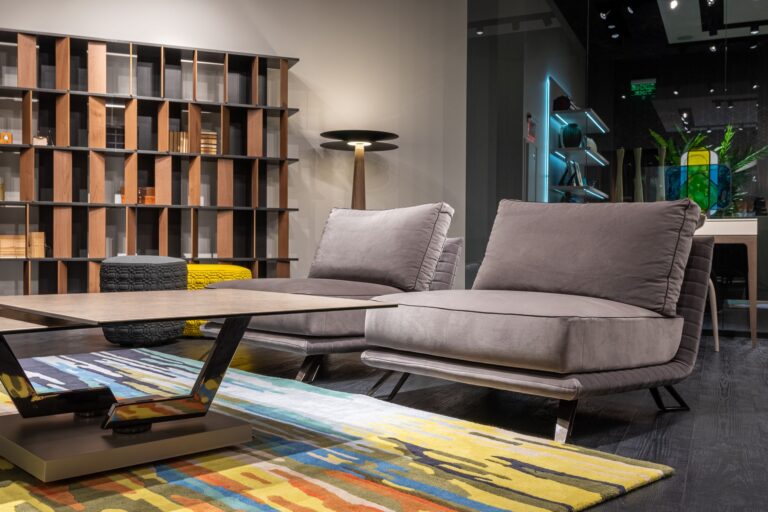

A thin rug on a hard floor does a lot of work, and most of it happens invisibly. Cushioned rug pads soften the step, keep edges from curling, and add a layer between the rug backing and the floor finish below. They also change how a room sounds, how a rug wears, and how your knees feel at the end of the day. With so many thicknesses, materials, and grip claims on the table, picking the right one often comes down to the floor type, the room, and how much cushion you actually want underfoot. This list sorts through eight solid options, from plush memory foam to thin dual-surface grips, so you can match a pad to your space without overthinking it.
An Overview Of The Picks
RUGPADUSA Cloud Comfort Memory Foam Rug Pad 8’x10′
Mohawk Home Low Profile Waterproof Rug Pad 9’x12′

ITSOFT Premium Non Slip Rug Pad 5×8 Feet

DELLUNA Non-Slip Area Rug Pad 2’x3′ Double Side
BAGAIL BASICS 8×10 FT Rug Pad Gripper
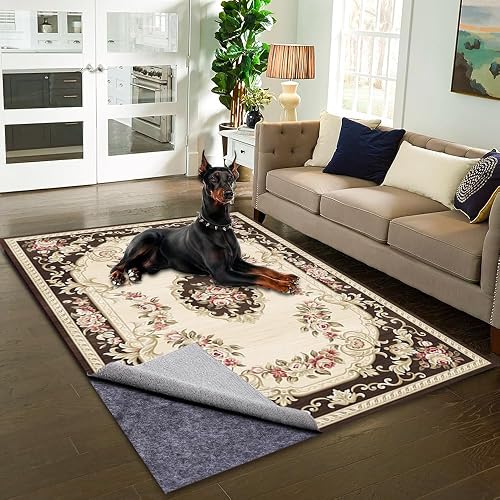
DAKKIONY Waterproof Non-Slip Rug Pad 8×10
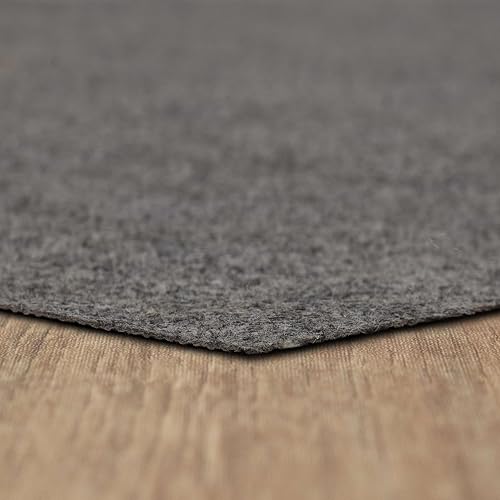
Mohawk Home 8’x10′ Non Slip Grip Rug Pad
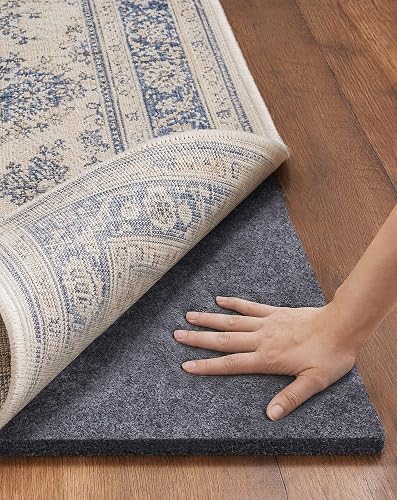
Veken Felt Cushioned Rug Pad 8×10 Ft 3/8″
A Deeper Look At The Lineup
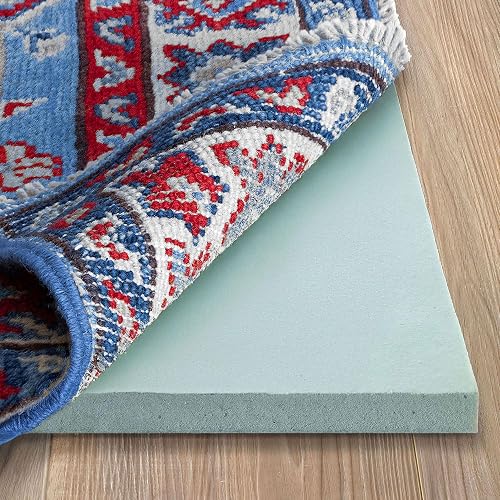
The RUGPADUSA Cloud Comfort is a 7/16 inch memory foam pad that treats cushion as the entire job. Unlike the Mohawk and ITSOFT picks you’ll see later, this one is built purely for softness rather than grip, which makes the most sense in spaces where the rug already sits heavy or is anchored by furniture.
It works well under large living room rugs and bedroom setups where a plush feel matters more than staying locked in place. The memory foam is made in the USA with low-VOC materials, and the closed-cell construction adds a water-resistant layer between the rug and hardwood, laminate, vinyl, tile, or concrete. If you spend a lot of time standing in the kitchen or want a softer landing for morning steps, the difference is noticeable.
Benefits That Matter
- 7/16 inch thickness creates a sink-in feel that thinner pads can’t match
- Water-resistant closed-cell foam helps block spills from reaching the floor
- Low-VOC construction suits households sensitive to chemical off-gassing
- Safe across hardwood, laminate, vinyl, tile, stone, and concrete surfaces
- Adds noticeable sound dampening in echo-prone rooms with hard floors
Points To Keep In Mind
- Not designed as a non-slip pad, so runners and lightweight rugs may shift
- Thick profile can create a trip edge near doorway transitions
- Memory foam compresses gradually under very heavy furniture over time
Feature Snapshot
Who Will Love This
Anyone who wants maximum softness under a heavy, furniture-anchored rug in a bedroom or main living space.
Where Another Pick Shines
For a runner that needs to stay locked in place on a slippery hallway floor, the ITSOFT Premium Non Slip Rug Pad is a smarter match.
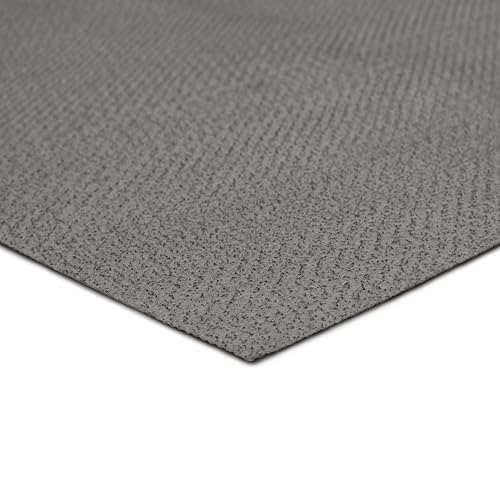
The Mohawk Home Low Profile Waterproof Rug Pad flips the script from the RUGPADUSA memory foam above. Instead of going thick and plush, it goes thin and protective, built from blended felt fibers with a waterproof rubber backing that shrugs off pet accidents and kitchen spills.
It’s a natural fit for homes with kids, dogs, or cats where moisture is a daily reality. The low profile keeps doors clearing cleanly, and the rubber underside grips hard floors without leaving residue, in most kitchens and dining rooms. Sound absorption and insulation are modest bonuses you notice more than you see.
A Few Highlights
- Waterproof rubber backing protects floors from pet accidents and spills
- Thin profile keeps doors from dragging or catching
- Non-slip rubber grips hardwood, tile, and laminate without adhesive
- Durable felt blend holds up under daily foot traffic in busy rooms
Trade-Offs
- Minimal cushion compared to memory foam or thick felt pads
- Rubber backing may feel stiff right out of the packaging
Made For
Pet owners and parents who want waterproof protection and grip in kitchens, mudrooms, and play areas.
Look Elsewhere When
For a bedroom rug where plush comfort matters more than moisture defense, the RUGPADUSA Cloud Comfort Memory Foam Rug Pad is a better fit.
The ITSOFT Premium Non Slip Rug Pad is the all-purpose player in this lineup, designed to grip and cushion at once on hardwood, vinyl, laminate, stone, carpet, and tile. At 1/4 inch thick, it sits between the ultra-thin Mohawk pad and the plusher RUGPADUSA foam.
For renters and homeowners juggling multiple floor types, this pad keeps the rug planted without committing to a single room’s quirks. It’s a 5×8 rectangular, so it suits medium-sized living room and bedroom rugs where you want both grip and a little give. The trade-off is that 1/4 inch won’t feel as cloud-like as the thicker pads on this list, depending on your sensitivity to padding underfoot.
Advantages To Know
- Works on hardwood, vinyl, laminate, stone, carpet, and tile
- Non-slip surface helps prevent bunching and tripping edges
- Adds a buffer against scratches from rough rug backings
- Medium 1/4 inch profile balances cushion and door clearance
Less Ideal Details
- Cushion is moderate rather than plush
- May need occasional adjustment on high-pile carpets
Right Fit For
Renters and households with mixed flooring who want one reliable pad to use across multiple rooms.
Skip It When
For a waterproof pet-friendly kitchen pad, the Mohawk Home Low Profile Waterproof Rug Pad handles moisture far better.
The DELLUNA Non-Slip Area Rug Pad goes small in size but serious on grip. At 2×3 with a 3/8 inch profile, it’s built for accent rugs, doormats, and entryway pieces that slide around the moment you step on them.
The double-sided rubber construction grips both the floor and the rug, holding everything in place through daily foot traffic. The natural rubber backing is suited to hardwood, laminate, vinyl, and tile, and the felt blend on the other side adds a touch of cushion. For homes with kids who race through the entryway or pets that skid on slick floors, the stopping power is the main draw.
Strong Points
- Double-sided rubber grips both rug and floor for solid hold
- 3/8 inch thickness adds meaningful cushion under small rugs
- Natural rubber backing avoids aggressive adhesives
- Compact 2×3 size suits entryways, kitchens, and bathrooms
Possible Compromises
- Small dimensions don’t work for living room or bedroom rugs
- Rubber can leave a faint odor when first unrolled
Quick Facts
Best Suited To
Apartment dwellers and households with small accent rugs that need to stay put in high-traffic zones.
Swap It Out When
For a full-size 8×10 living room rug, the BAGAIL BASICS 8×10 FT Rug Pad Gripper offers the same grip philosophy at a much larger scale.
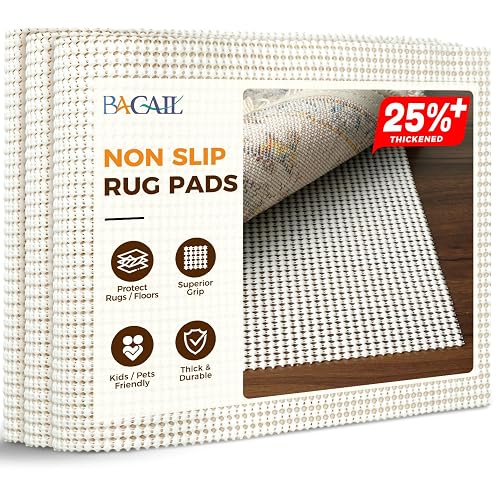
The BAGAIL BASICS 8×10 FT Rug Pad Gripper goes thick where most pads stay modest. Marketed as extra-thick cushioning, this pad is built for rugs that need serious padding and a firm grip on hardwood floors.
It’s a strong match for family rooms where kids sprawl on the floor and you want real softness under the rug. The non-slip design helps prevent bunching and wrinkles, which matters in rooms where a tripping edge is a real safety concern. As a bonus, owners commonly repurpose leftover pieces as drawer liners or shelf mats, making the 8×10 size versatile for larger homes.
Points In Its Favor
- Extra-thick profile delivers noticeable cushion under heavy rugs
- Strong grip reduces slipping, bunching, and tripping edges
- Sized 8×10 to fit common large living room rugs
- Versatile offcuts work as drawer liners or shelf protection
Things To Consider
- Extra thickness may interfere with low-clearance doors
- Cutting to fit requires sharp scissors or a utility knife
Whose Shelf It Belongs On
Busy family rooms with kids and pets where a plush feel and dependable grip are both non-negotiable.
Not Your Match When
For a slim profile that keeps a door swinging freely, the DAKKIONY Waterproof Non-Slip Rug Pad 8×10 is a smarter pick.
The DAKKIONY Waterproof Non-Slip Rug Pad is a 1/8 inch low-profile felt pad with a waterproof TPR (thermoplastic rubber) backing, designed to keep large area rugs in place without raising them off the floor. At 8×10, it suits the most common oversized rug dimensions.
The slim profile is the headline feature for anyone dealing with door clearance issues that thicker pads like the BAGAIL BASICS create. The textured felt surface grips the rug while the non-slip underside holds the pad itself to hardwood, tile, laminate, and other hard floors. It’s also easy to cut to fit unusual shapes, which helps in rooms with odd angles or built-ins.
Practical Advantages
- Waterproof TPR backing protects against spills and moisture
- Low 1/8 inch profile keeps doors clearing easily
- Trimmable to fit unusual rug shapes and room layouts
- Works across all standard hard floor types
Small Caveats
- Minimal cushion compared to thicker memory foam or felt options
- TPR backing may feel slick on very smooth surfaces at first
Perfect Match For
Households with large rugs near doorways or in rooms where clearance and water resistance both matter.
Another Choice May Suit
For a bedroom setup where plushness matters more than door clearance, the Veken Felt Cushioned Rug Pad offers a thicker felt feel.
The Mohawk Home 8’x10′ Non Slip Grip Rug Pad is the brand’s dual-surface design, pairing a low-profile felt cushion with a non-slip latex backing. The 1/8 inch thickness keeps it nearly invisible under most rugs while still adding softness and a touch of insulation.
For hallways, entryways, and other high-traffic zones, the balance of grip and cushion is the main attraction. The felt blend softens footfall and helps absorb sound, while the latex backing holds the rug in place through constant use. Compared to the DAKKIONY above, it has a similar slim profile but leans more on felt and latex than waterproof TPR.
A Favorable Mix
- Low 1/8 inch profile avoids door clearance issues
- Non-slip latex backing holds rugs firmly in busy spaces
- Felt blend adds light cushion, insulation, and sound absorption
- Safe for all standard hard floor types
Points To Note
- Cushion is minimal compared to thicker felt or foam pads
- Latex backing is not waterproof like rubber or TPR options
Core Details
Who Should Grab It
Anyone running rugs in hallways, entryways, and other high-traffic spots where slim grip matters more than plushness.
Consider Something Else When
For a kitchen or bathroom where water is part of daily life, the Mohawk Home Low Profile Waterproof Rug Pad offers a sealed rubber backing instead.
The Veken Felt Cushioned Rug Pad is a dense, needle-punched felt underlay at 3/8 inch thick, with more than 99 pieces of pile fiber compressed into the structure. It’s built for heavy rugs that need firm, long-lasting support rather than grip.
Like the RUGPADUSA memory foam pad that opened this list, this is not a non-slip design. It shines under rugs that stay put on their own, anchored by furniture or by their own weight. The dense felt construction protects hardwood and other hard floors from rug backing abrasion, in our view, while adding a soft, even feel underfoot that holds its shape over years of use.
Bright Spots
- 3/8 inch dense felt adds firm, long-lasting cushion
- Needle-punched structure resists compression under heavy rugs
- Protects hard floors from rough rug backings
- Compatible with hardwood and other standard hard surfaces
Honest Caveats
- No non-slip backing, so lighter rugs may shift without furniture weight
- Heavier than foam pads, making installation a two-person job
At A Glance
The Right Fit
Owners of heavy wool or oversized area rugs who want long-term cushion and floor protection without grip.
Reach For A Different Pick When
For a rug that needs active grip on a slick surface, the ITSOFT Premium Non Slip Rug Pad is the better tool for the job.
What Matters Most Before Choosing Cushioned Rug Pads
Matching Thickness To The Room
Thickness changes everything about how a rug pad feels and functions. Plush options in the 3/8 to 7/16 inch range, like the RUGPADUSA Cloud Comfort or Veken Felt, create a sink-in sensation underfoot and add noticeable sound dampening. They work best under large area rugs in living rooms and bedrooms, where the rug stays put on its own weight.
Thinner pads in the 1/8 to 1/4 inch range, such as the Mohawk Home Non Slip Grip, DAKKIONY, and ITSOFT, keep doors clearing cleanly and work better in hallways, kitchens, and entryways. Low-profile options also suit rooms with limited clearance between rug and door swing. Picking the wrong thickness often shows up as a tripping edge or a door that no longer closes, so measure the gap before committing to a deep pad.
Grip Versus Pure Cushion
Not every cushioned rug pad grips the floor, and that’s a feature rather than a flaw. Pads like the RUGPADUSA memory foam and Veken felt are designed for rugs anchored by furniture or natural weight, where slip resistance isn’t needed. The RUGPADUSA memory foam even spells out that it’s not for rugs prone to bunching.
Grip-oriented pads, including the ITSOFT, DELLUNA, BAGAIL BASICS, DAKKIONY, and Mohawk options, use rubber, latex, or TPR backing to hold rugs in place. Homes with kids, pets, or active foot traffic benefit most from these. Matching the grip style to the rug weight prevents the all-too-common scenario of a pad that bunches under the rug instead of holding it flat.
Floor Compatibility And Material Safety
Different floor finishes react differently to rug pad materials. Hardwood, laminate, vinyl, tile, stone, and concrete all appear repeatedly in manufacturer compatibility lists, but the backing material matters. Natural rubber and TPR tend to grip firmly without aggressive adhesives, while some latex backings work better on certain surfaces than others. Low-VOC construction, like the RUGPADUSA memory foam’s, suits households sensitive to chemical off-gassing. Always check the pad’s compatibility with your specific floor finish before installing, since a mismatched backing can discolor or damage some surfaces over time.
Key Considerations Across These Picks
Pitfalls Shoppers Hit
A common mistake is choosing a pad based on thickness alone. A 7/16 inch memory foam pad sounds luxurious, but in a narrow hallway it becomes a tripping hazard and a door clearance problem. Another slip-up is grabbing a non-slip pad for a rug that already has a rubber or latex backing, which can cause the two surfaces to fight each other and shift unpredictably. Cutting pads to fit also trips people up: dull scissors crush felt and foam rather than slicing cleanly, so a sharp utility knife is worth having on hand before unrolling.
What The Higher Tier Buys
Spending more on a cushioned rug pad usually buys denser felt construction, better moisture protection, and longer-lasting shape retention. Higher-tier pads like the Veken Felt and RUGPADUSA memory foam use needle-punched or closed-cell structures that resist compression for years, rather than flattening within months under a heavy sofa. Premium options also tend to carry better floor-safety credentials, including low-VOC materials and natural rubber backings that won’t stain hardwood. For rugs that cost real money, the pad underneath is worth investing in, since a bad pad can wear a rug out from below faster than foot traffic wears it from above.
Frequently Asked Questions
How thick should a cushioned rug pad be?
A 1/4 to 3/8 inch pad strikes a good balance for most living rooms, while 7/16 inch plush options suit bedrooms where softness matters more than clearance. Thin 1/8 inch pads work best in doorways and high-traffic zones.
Can a rug pad damage hardwood floors?
Some rubber and latex backings can discolor or stain certain finishes over time. Choosing pads specifically listed as safe for hardwood, and avoiding aggressive adhesives, helps protect the floor underneath.
Do cushioned rug pads help with sound?
Yes, thicker felt and memory foam pads absorb impact noise and reduce echo in rooms with hard floors. Thin pads offer minimal acoustic benefit compared to plush options.
How often should a rug pad be replaced?
Most quality pads last several years under normal use, though memory foam compresses faster under very heavy furniture. Inspect the pad annually for flattening, crumbling, or loss of grip.
Can I cut a rug pad to fit?
Most felt and foam pads can be trimmed with a sharp utility knife for custom fits. Measure twice and cut slowly to keep edges clean and avoid fraying.
Closing Remarks
The right cushioned rug pad comes down to matching thickness, grip, and material to the room and floor. Heavy, furniture-anchored rugs want plush felt or memory foam, while active households need non-slip backing that holds up to daily foot traffic. Pick the pad that fits your specific space, and your rugs will wear better, your floors will thank you, and your knees will notice the difference.