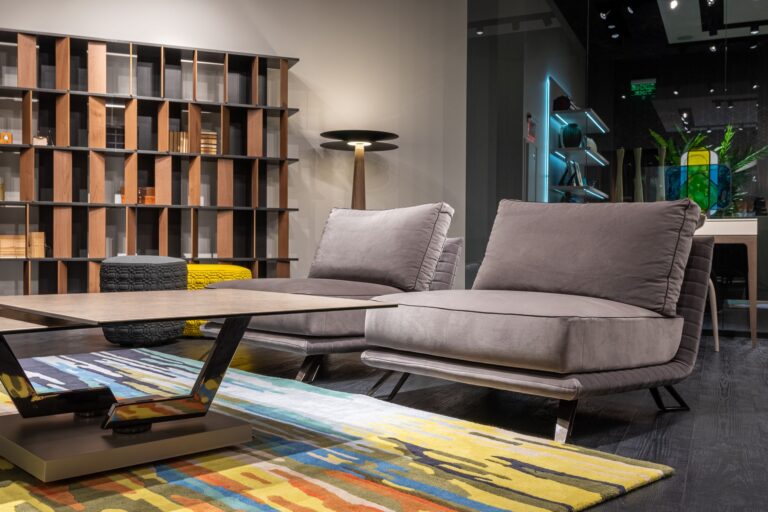


Luxury vinyl plank looks great until a rug starts creeping across it, and the wrong pad can leave marks, trap moisture, or just feel flat underfoot. Felt rug pads designed for LVP solve a specific puzzle: they need grip without rubber or latex that can stain the wear layer, and enough cushion to make the room feel softer without adding bulk. This roundup walks through eight pads worth considering, what each one actually does, and which makes sense for the way you live.
The Main Contenders
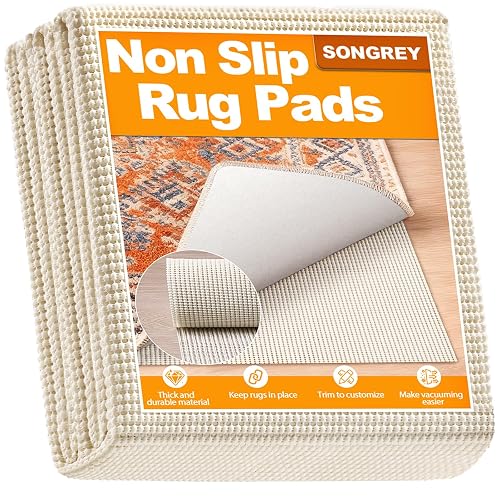
Songrey Non-Slip Rug Pad 5×7 FT

Yxzhyaba Waterproof Felt Rug Pad 7×9 ft
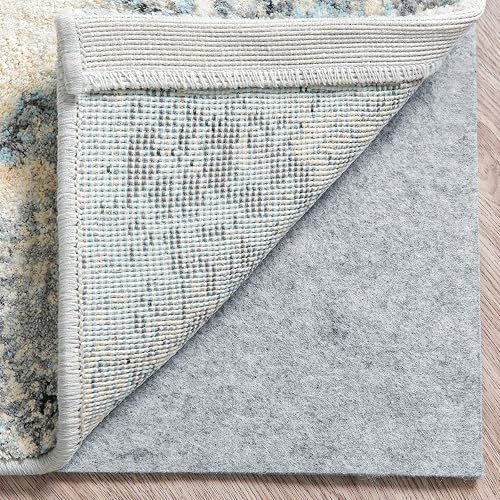
MAYSHINE Premium Felt Rug Pad 5×7 Feet
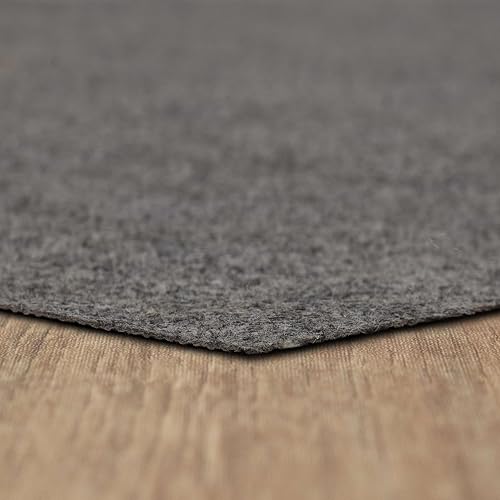
Mohawk Home Non Slip Rug Pad 8×10
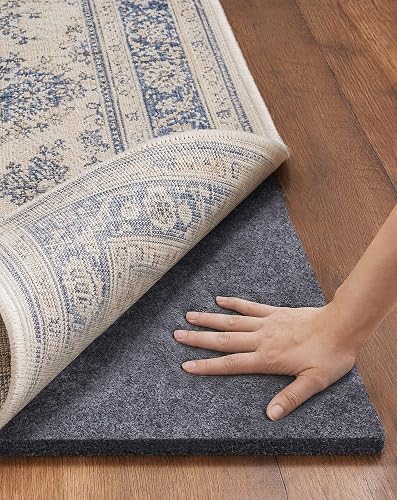
Veken Felt Cushioned Rug Pad 8×10 ft

AEHISDHIE Extra Large Felt Rug Liner 8×10
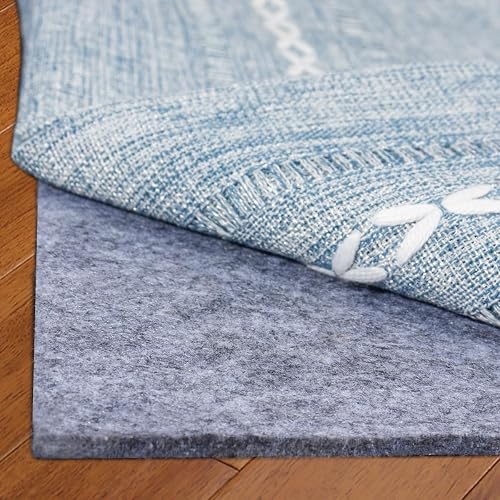
TUOTPE Extra Large Felt Rug Pad 8×10
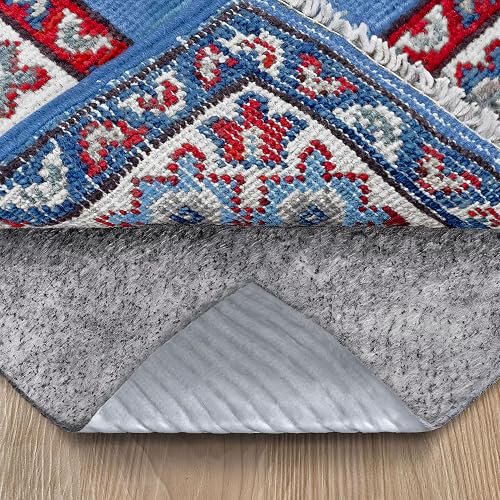
RUGPADUSA Vinyl Lock 8×10 ft
What Each Pick Brings To The Table
The Songrey pad is built for households where rugs get tested daily. Its dual-sided grip texture locks into both the rug backing and the floor beneath, which means runners in hallways and bath mats stop bunching up after a week of foot traffic. For LVP specifically, the white color keeps things neutral and doesn’t transfer dye to lighter planks over time.
You’ll want this in a 5×7 size for entry mats or moderate living room rugs. The trade-off compared to the plush options later in the list is that cushioning leans toward functional rather than indulgent. For most homes with active kids or shedding pets, that balance tends to work out well.
Notable Upsides
- Dual-sided grip holds rugs steady on hard flooring without needing furniture weight
- White finish won’t bleed color onto light-toned LVP planks
- Good fit for runners and bath mats in high-traffic zones
- Compatible with a wide range of floor types beyond LVP
Things To Consider
- Cushion thickness is modest compared to dedicated plush pads
- Owners commonly report needing to trim a bit of excess at the edges for a clean fit
Who It Suits Best
Active households with kids, pets, or frequent foot traffic want steady grip without fussing over rug placement every morning.
Where Another Pick Suits Better
For pure cushion under bare feet, the Veken Felt Cushioned Rug Pad delivers a noticeably softer step.
The Yxzhyaba pad takes a different angle than the Songrey by adding a waterproof TPR backing to the felt. That matters if your LVP is anywhere moisture might show up, like under a kitchen rug near the sink or a mudroom runner that tracks in snow. The TPR layer acts as a moisture barrier between the felt and the floor, helping prevent the trapped-dampness problem that can plague padding under rugs on waterproof surfaces.
The 7×9 size lands in a useful middle ground for bedside or living room rugs. You may find the TPR slightly less aggressive on grip than pure rubber alternatives, but the moisture protection tends to be the bigger selling point. For most households in climates with wet seasons, that trade feels worth it.
Advantages To Know
- Waterproof TPR layer shields LVP from spills that soak through the rug
- Works across many floor finishes, including hardwood and laminate
- Adds sound absorption and modest insulation underfoot
- Larger 7×9 footprint fits most living room and bedroom rugs
Points To Note
- Grip strength is moderate, so very lightweight rugs may still creep
- Heavier than pure felt pads, making repositioning a two-handed job
Made For
Households in rainy or snowy climates who want moisture protection between their rug and LVP, especially near entryways and kitchens.
Consider Something Else When
For rooms where plush feel matters more than moisture control, the TUOTPE Extra Large Felt Rug Pad offers thicker cushioning in the same size range.
MAYSHINE earns its place by being one of the most size-flexible pads in the roundup, with rectangular options running from 4×6 all the way to 8×10. For homes juggling multiple rugs in different rooms, that consistency across sizes simplifies things: you know what to expect from each pad you buy. The felt construction works across hardwood, laminate, vinyl, stone, and tile, which covers just about every hard floor including LVP.
It’s a straightforward felt pad without fancy backing, so it works best under rugs that already have some weight or that get anchored by furniture. The 5×7 version sits in the sweet spot for medium-sized living spaces. For most homes, MAYSHINE is the kind of pad you buy once and then reorder in different sizes as needed.
What Helps Most
- Wide size range from 4×6 through 8×10 for consistent feel across rooms
- Compatible with virtually every hard floor finish
- Pure felt construction avoids rubber or latex that can interact with LVP
- Provides decent scratch and dent protection for the floor beneath
Trade Offs
- No non-slip backing, so it relies on the rug’s weight to stay put
- Cushion thickness falls in the middle of the pack
Key Specs
Right Fit For
Multi-room households wanting one trusted pad brand to standardize across bedrooms, hallways, and living areas.
Look Elsewhere When
For a pad engineered specifically with LVP chemistry in mind, the RUGPADUSA Vinyl Lock is purpose-built for that floor.
Mohawk Home leans into a low-profile design at 1/8 inch thick, which solves a problem that thicker pads can’t: clearance under doors. If your LVP installation includes doors that already swing close to the floor, adding a chunky pad can cause scraping or force you to trim the door. This pad slips in without that hassle while still adding felt cushion and sound absorption.
The non-slip backing helps the pad itself stay put under the rug. It’s built for high-traffic areas, and the 8×10 size covers most living rooms. For most homes, the low profile is the headline feature, since it widens the range of rugs and door clearances the pad works with.
Well-Handled Touches
- Slim 1/8 inch profile clears most door thresholds without trimming
- Non-slip backing keeps the pad anchored beneath the rug
- Provides subtle sound absorption for echo-prone rooms
- Safe for all hard floor types, including LVP
Small Caveats
- Less plush underfoot than 1/4 inch options like the Veken
- Smaller thickness means less impact absorption for heavy furniture
Best Suited To
Homeowners with low door clearances or anyone wanting cushion without raising the rug noticeably off the floor.
Skip It When
For a deeper cushioned feel in a living room where you sit on the floor, the AEHISDHIE Extra Large Felt Rug Liner gives a thicker foundation.
Veken’s pad is the cushioned option in this roundup, with a 1/4 inch thickness and a dense needle-punched construction that bounces back underfoot. The “needle-punched” process means felt fibers are mechanically tangled together rather than glued, which tends to resist matting over time better than loosely felted alternatives. For homes where the rug is a barefoot zone, that extra plushness makes a real difference.
This pad intentionally doesn’t have a non-slip backing. It works best under rugs anchored by furniture or heavier rugs that naturally stay in place. The 5×7 size is also available. You may find the 8×10 size overkill for bedrooms and right-sized for open living rooms, depending on your layout.
A Few Highlights
- Plush 1/4 inch profile delivers noticeable cushion under bare feet
- Dense needle-punched felt resists matting and compression over time
- Provides solid protection for hard floors under heavy furniture
- Compatible with hardwood, LVP, and other hard surfaces
Points To Note
- No non-slip backing, so lightweight rugs will need furniture anchoring
- Thicker profile may interfere with low door clearances
Feature Snapshot
Who Should Grab It
Barefoot households prioritizing soft, bouncy cushion over aggressive grip, especially under furniture-anchored area rugs.
Another Choice May Suit
For grippy performance in high-traffic zones like entryways, the Songrey Non-Slip Rug Pad is the steadier option.
AEHISDHIE keeps things simple: 100% felt, no rubber, no latex, no fancy backing. For LVP owners who are cautious about any chemical interaction with their floor’s wear layer, that simplicity is reassuring. The pad absorbs impact from foot traffic and creates an extended cushion between the rug and floor.
This is another no-non-slip option, designed to work under heavy rugs or those pinned by furniture. It’s also available in a 3×5 size for smaller areas. For most homes using heavier wool or woven rugs, the felt-only approach tends to complement the rug’s natural weight rather than fighting it.
Everyday Wins
- Pure felt construction avoids materials that may react with LVP finishes
- Absorbs foot traffic impact to extend rug life
- Available in smaller 3×5 size for accent rugs
- Provides soft cushion without altering how the rug lays
Worth Bearing In Mind
- No grip backing means it depends entirely on rug weight to stay put
- May require trimming to match the exact rug outline
Built With In Mind
Homeowners with heavy, natural-fiber rugs who want pure felt cushioning without synthetic backing materials near their LVP.
Reach For A Different Pick When
For smaller lightweight rugs that need active grip, the MAYSHINE Premium Felt Rug Pad covers similar felt benefits in more sizes.
TUOTPE sits in the same thick-felt camp as the AEHISDHIE pad, with a rough upper texture designed to grip the rug from above. The 8×10 size targets large living rooms, and the felt material won’t stain or leave marks on floors, which is a quiet but meaningful detail for light-colored LVP.
Like the other no-non-slip pads here, it works best when the rug has some weight or sits under furniture. The 3×5 size is also available for entryway or bedside use. You may find the rough top texture shows through thinner rugs more than smoother pads, so pairing it with a medium to heavyweight rug tends to work best.
A Favorable Mix
- Rough top layer grips rug backing to reduce shifting from above
- Won’t stain or mark the floor beneath
- Available in 3×5 size for smaller rugs
- Thick felt adds noticeable softness underfoot
Room For Improvement
- No bottom grip means it relies on rug weight and friction
- Rough texture may telegraph through very thin rugs over time
Whose Shelf It Belongs On
Households with larger living room rugs seeking plush cushion and floor protection, especially where rug weight handles the grip.
A Better Fit Elsewhere
For a pad with active bottom grip in tight spaces, the Mohawk Home Non Slip Rug Pad handles the same size with added traction.
RUGPADUSA’s Vinyl Lock is the most LVP-specific pad in the roundup, formulated without rubber or latex. That distinction matters: traditional rubber-backed pads can chemically interact with certain vinyl wear layers and cause discoloration over time, a problem this pad’s EVA backing (a foam-like material) is designed to avoid. The ribbed EVA grips the floor, while the recycled felt side holds the rug from above.
The 8×10 size suits large living spaces, and a 2×3 size is also available for entryways. For homeowners who specifically want a pad engineered around vinyl plank chemistry rather than a generic felt pad adapted to LVP, this one tends to answer the question directly. It is also the most chemistry-conscious choice for newer LVP with antimicrobial or textured wear layers.
Practical Advantages
- Contains no rubber or latex that could stain or discolor LVP
- Ribbed EVA backing grips the floor without adhesive
- Recycled felt top layer holds the rug from underneath
- Available in 2×3 size for entry mats and small accents
Things To Consider
- EVA grip may feel firmer underfoot than pure felt options
- Larger size means heavier handling during initial placement
Key Product Details
Perfect Match For
LVP owners who want a pad formulated around vinyl floor chemistry rather than adapting a general-purpose felt pad to the job.
Swap It Out When
For waterproofing needs in wet zones, the Yxzhyaba Waterproof Felt Rug Pad adds a moisture barrier the Vinyl Lock doesn’t prioritize.
What Matters When Picking A Felt Pad For LVP
Choosing a felt rug pad for luxury vinyl plank comes down to three real questions: how the pad interacts with vinyl chemistry, how much cushion your space actually needs, and whether the rug itself needs grip help.
The chemistry question is the most important and most overlooked. LVP is made of layered vinyl with a printed design and a clear wear layer on top. Some rubber and latex pad backings contain chemicals that, over months of contact, can yellow or permanently mark that clear layer. Pads made from felt, EVA, or TPR tend to avoid that interaction, which is why so many pads in this roundup skip rubber entirely. If you have newer LVP with a textured or antimicrobial finish, the Vinyl Lock’s chemistry-specific design is worth weighing.
Cushion is the second decision. Thinner pads (1/8 inch) keep door clearances intact and feel more grounded. Thicker pads (1/4 inch) feel plush underfoot but can interfere with door swings and add visible height to the rug’s edge. For living rooms where you sit on the floor, thicker tends to win. For hallways and dining areas with door traffic, thinner usually works better.
Grip is the third. Some pads here actively grip both the floor and the rug (Songrey, RUGPADUSA). Others rely on the rug’s weight and friction alone (Veken, AEHISDHIE, TUOTPE). Active grip pads work under lightweight runners, bath mats, and thin area rugs. Weight-anchored pads work under heavy wool rugs or rugs pinned by a coffee table. Match the pad’s grip style to the rug you actually have, not the rug you wish you had.
Key Considerations Across These Picks
Pitfalls Shoppers Hit
The most common mistake is grabbing a rubber-backed pad off the shelf without checking whether it’s rated for vinyl. LVP and rubber don’t always play nicely, and the discoloration shows up months later when the rug moves. Another slip is buying a pad too small for the rug, which leaves edges that curl up and become trip hazards. Always cut the pad an inch smaller than the rug on every side, so the rug wraps slightly over the pad edge and hides it. Finally, skipping the door clearance check leads to trimming doors later or choosing a thinner pad than you’d actually want.
Where The Extra Money Goes
Higher-tier pads in this category spend on material purity and engineering, not branding. The RUGPADUSA Vinyl Lock, for instance, uses an EVA formulation that avoids rubber entirely, which is a more expensive material choice than generic felt blends. The Veken’s needle-punched construction is a denser, more durable felt than loosely felted alternatives, which holds up over years rather than matting down. For most homes, the upgrade pays off in floors that stay clean longer and pads that don’t need replacing every few years. If your rug is small or your budget is tight, mid-tier pads like MAYSHINE deliver solid performance without the premium materials.
Frequently Asked Questions
Do felt rug pads damage LVP flooring?
Felt itself doesn’t damage LVP. The risk comes from pad backings containing rubber or latex, which can chemically interact with the vinyl wear layer over time. Felt-only pads and those with EVA or TPR backings are the safer choice for LVP.
How thick should a felt rug pad be for LVP?
For most living spaces, 1/4 inch offers a good balance of cushion and stability. Choose 1/8 inch if door clearances are tight, or if you prefer the rug to lay flat with minimal lift. Thicker than 1/4 inch can create tripping edges and door issues.
Can I cut a felt rug pad to fit my rug?
Yes, felt pads trim easily with household scissors or a utility knife. The common guideline is to cut the pad about an inch smaller than the rug on all sides, so the rug’s edge drapes over the pad and hides the trim line.
Will a felt pad keep my rug from slipping?
Only pads with active grip backing or texture stop slipping reliably. Pure felt pads rely on the rug’s weight and friction alone, so they work under heavy rugs or rugs anchored by furniture. For lightweight runners, choose a pad with a grippy bottom layer.
How do I clean a felt rug pad?
Felt pads are best maintained by vacuuming them separately when you flip or move the rug. Spot clean with a damp cloth and mild soap for spills, and allow the pad to dry fully before replacing the rug. Avoid soaking felt, since excess moisture can lead to mildew under the rug.
Wrap Up
The right felt rug pad for LVP depends less on brand and more on what your floor and rug actually need. For chemistry-safe grip, the RUGPADUSA Vinyl Lock is the most deliberate choice. For plush comfort, the Veken delivers. For waterproof peace of mind, the Yxzhyaba handles the wet zones. Pick the pad that matches the room and let the rug do the rest.