

Whether you’re finishing a basement playroom, refreshing a rental without risking a deposit, or giving a tired home office some warmth underfoot, adhesive carpet tiles solve a specific kind of problem. They go down fast, replace one bad section without redoing the whole floor, and come up cleanly when life changes.
The challenge is that “adhesive” covers a lot of ground, from full-stick commercial tiles to peel-and-stick squares and double-sided carpet tape that holds rugs and tiles in place. Picking the right one depends on your subfloor, your traffic level, and how permanent you want the result. This list rounds up eight solid options that span those use cases, with honest notes on where each one shines and where you may want to look at a different pick.
The Leading Options At A Glance
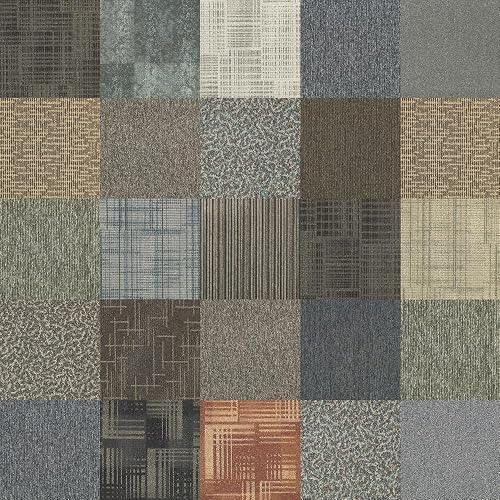
4URFloor Assorted Carpet Tile 24″x24″ 96sqft 24 Tiles
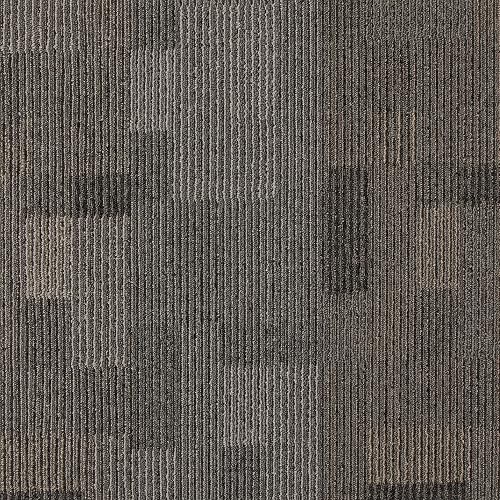
Mohawk 24×24 Stone Walk Brown Carpet Tile (96 sqft)
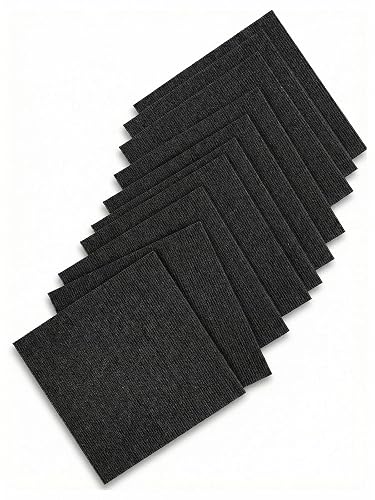
RENODY 12×12 Dark Gray Peel and Stick Carpet Squares (10-Pack)
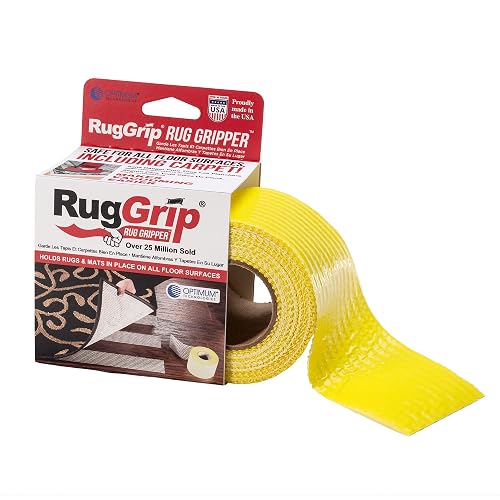
Rug Grip Double-Sided Carpet Tape 2.5in x 25ft
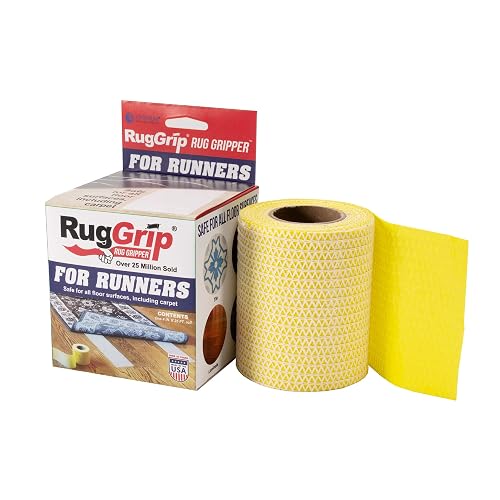
Rug Grip Double-Sided Carpet Tape 4in x 25ft
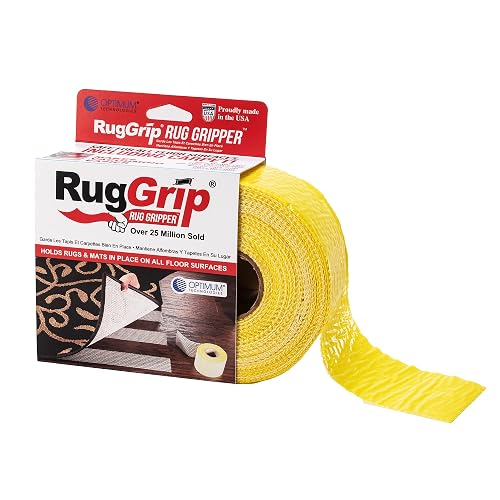
Rug Grip Double-Sided Carpet Tape 2.5in x 60ft
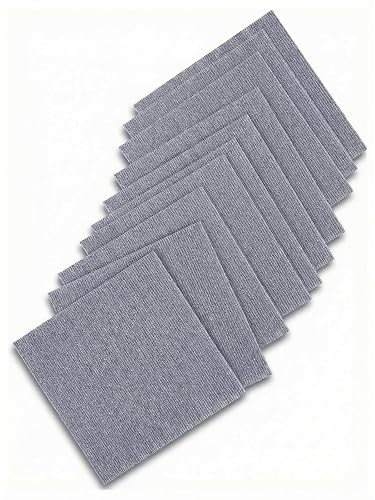
RENODY 12×12 Light Gray Peel and Stick Carpet Squares (10-Pack)
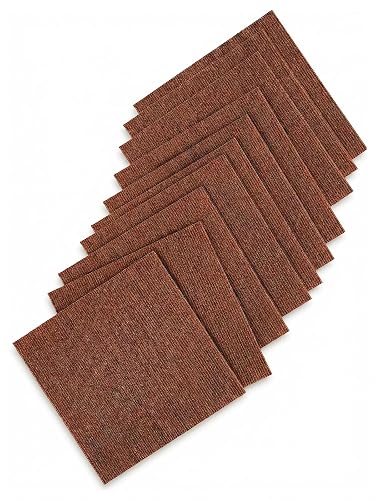
RENODY 12×12 Brown Peel and Stick Carpet Squares (10-Pack)
More On The Choices That Made The List
Covering a finished basement, a large rec room, or a workshop that sees daily foot traffic usually means buying a lot of tile, and that’s where 4URFloor’s assorted 24″x24″ pack earns attention. The shipment lands as two boxes of 12 tiles each, totalling 96 square feet, with each order pulling a unique mix of colors and patterns straight from commercial-grade overstock. You give up the ability to choose exact colors, but you gain a one-shot flooring refresh at a fraction of what a traditional carpet run would cost.
Because the tiles source from various manufacturer runs, the texture can vary from one order to the next. Plan a layout that blends the mix rather than expecting a uniform look, and you’ll end up with something that actually has more character than a flat single-color field.
The Upside
- 96 square feet of coverage per order, enough for most mid-size rooms in a single buy
- Commercial-grade construction handles rolling chairs, foot traffic, and home gym equipment reasonably well
- Each order ships a genuinely different color and texture blend, giving a custom look without custom pricing
- 24″x24″ format means fewer seams and faster installation than smaller modular tiles
- Lower per-square-foot cost than most peel-and-stick consumer options
Things To Consider
- You cannot choose specific colors, so the visual result depends on what arrives in the box
- Heavier commercial tiles typically need adhesive on the subfloor, not just peel-and-stick corners
- Texture variation between tiles may show in side-by-side placement if the mix is dramatic
Key Specs
Who It Suits Best
Shoppers finishing a large basement, rec room, or workshop who want serious coverage without paying for a traditional carpet install and who enjoy an eclectic, varied look.
Consider Something Else When
Renovators wanting a single uniform color across an open floor plan will be happier with the Mohawk Home Stone Walk Brown Carpet Tile, which ships in a predictable finish.
Where the 4URFloor assorted pack leans into variety, the Mohawk Home Stone Walk takes the opposite approach: a predictable color and a built-in stain-and-soil shield called EnviroStrand PET fiber. You install it one of two ways. Glue it down for a permanent bond that won’t budge, or use the brand’s FlexLok tabs (sold separately) for a floating floor you can lift later. That dual-install setup is the real hook, since most tile in this category commits you to one method or the other.
The brown tone reads warm and forgiving, so it hides the everyday grit that basement floors tend to collect. If your space doubles as a kid zone or a workout area, the stain protection quietly does its job in the background.
A Strong Showing
- EnviroStrand PET fiber resists stains and soil, useful for basements and play areas
- Two installation paths: glue-down for permanence, FlexLok tabs for a floating floor
- Stone Walk brown finish gives a uniform look without the surprise-mix gamble
- Standard 24″x24″ modular format makes spot-replacement painless when a tile gets damaged
- Recognized brand name often means more consistent quality control than off-brand overstock
Worth Noting
- FlexLok tabs ship separately, so a floating install is a two-cart process
- Brown tone shows lighter dust and pet hair more than darker charcoal options
- Glue-down installation takes longer and requires more subfloor prep than peel-and-stick
Right Fit For
Homeowners finishing a basement or large family room who want a name-brand tile with stain protection and the option to glue down for the long haul.
Look Elsewhere When
Budget-focused renovators who don’t need stain protection will find better per-square-foot value in the 4URFloor Assorted Carpet Tile.
Big commercial tiles make sense for large rooms, but most people tackling a closet floor, a pantry, or a small entryway don’t need 96 square feet of anything. RENODY’s 12″x12″ dark gray peel-and-stick squares come in a 10-pack that lands around 10 square feet, and the brand adds a clever little touch: each tile includes a corner sticker you pull to peel the protective backing, instead of digging at the film with your fingernail for ten minutes.
The polyester surface works over most subfloor types, and the small format makes it forgiving when the room has odd angles or you need to cut around a door frame.
What Earns Its Place
- Sticker-pull backing system removes the usual frustration of peeling a stubborn protective film
- 12″x12″ size fits small spaces, closets, and entry nooks without awkward leftover cuts
- Dark gray tone hides scuffs, dirt, and everyday wear in a mudroom setting
- Adheres to most common subfloor types without separate glue or tape
Trade Offs
- 10-square-foot coverage means a large room will need many packs, and seams will show more than with 24″ tiles
- Polyester face fiber is less durable than the PET or commercial-grade options from larger tiles
- Sticker system works well, but the adhesive may struggle on very porous or textured subfloors
Feature Snapshot
Made For
First-time DIYers refreshing a closet, pantry, or small entryway who want a no-tools install and don’t mind ordering multiple packs for a bigger room.
Swap It Out When
Anyone tiling a full bedroom or large office will save time and reduce visible seams with the Mohawk Home Stone Walk Carpet Tile instead.
Carpet tiles solve a real problem, but they aren’t the right answer for every floor. If you’re working with an area rug on a hardwood hallway, a runner that keeps sliding, or a kitchen mat that bunches up by the sink, you need a different tool. Rug Grip’s 2.5-inch double-sided tape is built for that job, sticking the rug down to the floor underneath without leaving residue when you eventually pull it up.
The 25-foot roll is the right size for one or two smaller rugs, and the adhesive works on hardwood, tile, carpet, and vinyl without requiring heat or special surface prep.
Useful Touches
- Residue-free formula protects hardwood and vinyl floors when the tape is eventually removed
- Reusable design means you can lift, reposition, and re-stick without buying a new roll
- 2.5-inch width is a good fit for the edge of an area rug or the back of a small runner
- Compatible with multiple floor types, so one roll handles rugs in different rooms
Minor Gripes
- 25-foot length runs out fast if you have a long hallway runner in mind
- Adhesive can lose grip on very plush or high-pile rugs where contact is uneven
Best Suited To
Apartment dwellers or homeowners who want to anchor one or two area rugs on hardwood or tile without worrying about floor damage at move-out.
Reach For A Different Pick When
You need to secure a long hallway runner, since the wider Rug Grip 4-inch roll will hold the edges flatter over a longer span.
Same proven formula as the smaller 2.5-inch roll, but with a wider 4-inch face that grips more of the rug’s edge. For long hallway runners, stair treads, or any rug that gets walked across constantly, that extra width makes a real difference. The wider contact patch resists curling at the corners and keeps heavier rugs from sliding when you step on them.
It’s also made in the United States, which matters to some shoppers, and the reusable, releasable formula means you can adjust placement during install without trashing the tape.
The Practical Payoff
- 4-inch width grips more of the rug edge, reducing corner curl on runners
- Releasable and reusable for repositioning during layout
- Works across hardwood, tile, carpet, vinyl, and marble surfaces
- Sticks without heat application or special surface primers
Honest Caveats
- 25-foot length limits how many stair treads or long runners you can secure in one go
- Wider tape shows more visibly if a corner ever peels up
Who Will Love This
Anyone installing a long hallway runner or securing stair treads where corner curl is the main frustration.
Where Another Pick Suits Better
For whole-home coverage on multiple smaller rugs, the longer Rug Grip 2.5-inch 60-foot roll spreads the same adhesive across more square footage.
Sometimes the smartest purchase is just more of what already works. This is the same 2.5-inch Rug Grip formula as the 25-foot roll, doubled in length to 60 feet. For a homeowner planning to anchor rugs in the living room, hallway, bedroom, and bathroom over a single weekend, the longer roll avoids the mid-project run to reorder.
Since the adhesive is reusable, any leftover tape can be stored and redeployed later when a new rug enters the home.
Real Benefits
- 60-foot length covers multiple rooms or several rugs from one purchase
- Residue-free removal keeps hardwood and vinyl floors safe for the long term
- 2.5-inch width stays hidden under most standard rug edges
- Reusable design lets you lift and reposition during initial layout
Points To Keep In Mind
- Longer roll is bulkier to store in a small utility drawer
- If you only need tape for a single small rug, the 25-foot version is a more efficient buy
Whose Shelf It Belongs On
Homeowners anchoring rugs across several rooms in one project who would rather buy once than re-order mid-renovation.
Not Your Match When
You’re securing a single long runner, where the wider 4-inch Rug Grip roll gives better edge hold.
Same RENODY 12″x12″ format and sticker-pull backing as the dark gray version, but in a soft light gray that brightens smaller rooms and reads as more “open” in tight spaces. It’s the better visual pick for rentals where you want a clean, neutral look that won’t clash with whatever paint color the next tenant prefers.
Installation is identical: peel the backing with the included sticker, press the tile down, and the adhesive does the work. No extra glue, no trowel, no waiting for anything to cure.
What Makes Sense
- Light gray finish brightens dark closets and small bedrooms without a separate rug
- Sticker-pull backing makes the install approachable for first-time DIYers
- Removes cleanly when the lease ends, assuming a standard subfloor
- 12″x12″ squares cut easily with a utility knife for custom fit
Some Limits To Know
- Light tone shows stains and spills more than the dark gray sibling
- Same 10-square-foot coverage, so a large room means stacking multiple packs
Perfect Match For
Renters wanting a low-commitment floor refresh in a small room, where light gray looks fresh and clean and comes up at move-out.
Another Choice May Suit
Anyone covering a high-traffic mudroom or entry will appreciate the stain-hiding power of RENODY’s dark gray squares instead.
The brown tile rounds out the RENODY trio, finishing the same format with a warmer tone that pairs naturally with wood furniture and earthy paint colors. It uses the same sticker-pull backing, the same peel-and-stick adhesive, and the same polyester face fiber as the gray versions, so choosing between them is really about the room’s color story rather than the install process.
Brown is the most forgiving of the three shades for visible wear, since everyday dust and small stains blend into the warm tone rather than standing out against it.
Where It Delivers
- Warm brown tone complements wood floors and furniture without clashing
- Sticker-pull backing keeps installation quick and frustration-free
- Adhesive works over most subfloor types without separate primer
- Forgiving color hides minor dust and stain between cleanings
Worth Bearing In Mind
- 10-pack covers only about 10 square feet, so bedrooms need several boxes for full coverage
- Polyester face is less durable than the commercial-grade tile options
Who Should Grab It
DIYers finishing a bedroom or den with warm wood tones who want an approachable, no-tools peel-and-stick install in a smaller format.
A Better Fit Elsewhere
Anyone tiling a large basement in one shot will move faster and spend less per square foot with the 4URFloor assorted 24-inch tiles.
What To Weigh Before Choosing Adhesive Carpet Tiles
Tile size and format matter more than most shoppers expect. Large 24″x24″ tiles cover ground fast and show fewer seams, but they’re heavier and harder to cut around odd corners. The 12″x12″ peel-and-stick squares sacrifice speed for flexibility, fitting easily around door frames, vents, and closets. If your room has lots of angles, smaller squares save time during the layout phase. If your room is mostly square, larger tiles win on speed.
Subfloor compatibility is the silent deal-breaker. Peel-and-stick tiles bond well to plywood, OSB (oriented strand board), and clean concrete, but they struggle on very porous, dusty, or heavily textured surfaces. Commercial-grade tiles that you glue down demand more subfloor prep but reward you with a longer-lasting bond, especially in basements where moisture is a concern.
Adhesive strength shows up in daily life differently than the spec sheet suggests. A tile in a guest bedroom barely needs to hold. A tile under a rolling office chair, in front of a kitchen sink, or in a playroom gets stressed constantly, and that’s where the higher-end PET face fiber and full-spread glue options pay for themselves. The Rug Grip tape products serve a completely different need: anchoring area rugs and runners on finished floors where full-tile installation would be overkill.
Key Considerations Across These Picks
Common Shopping Slip Ups
The most frequent mistake is undercounting square footage. Measure the longest walls and multiply, then add 10% for cuts and waste, especially on diagonal layouts or rooms with closets. Another slip is assuming peel-and-stick adhesive will hold on a damp basement floor, where moisture wrecks the bond over time. Test a small corner first if moisture is a concern, and consider a glue-down commercial tile in those spaces instead. Lastly, skipping acclimation is more common than you’d think: most carpet tiles need to sit in the room for 24 hours before install so they adjust to temperature and humidity, and skipping that step leads to edges that pop up later.
Where The Extra Money Goes
Higher-tier carpet tiles earn their price through face-fiber quality, stain protection, and consistent manufacturing. The Mohawk PET fiber, for example, actively resists soil and spills, which matters in a family room or finished basement. Cheaper tiles may look identical on day one, but they crush, stain, and fade faster under real use. The upgrade is worth it when the room sees daily traffic, kids, pets, or moisture. For a guest room that gets walked across twice a year, the budget-friendly option is a perfectly reasonable call.
Frequently Asked Questions
How do I prepare a subfloor before installing adhesive carpet tiles?
Sweep and vacuum thoroughly, then check for any loose paint, grease, or waxy residue that would block the adhesive. On concrete, fill cracks and let the floor dry completely. A clean, dry, flat subfloor is the single biggest factor in how well the tiles hold.
Can I install adhesive carpet tiles over existing flooring?
In most cases, yes, as long as the existing surface is firmly attached, clean, and not too smooth. Old vinyl, sealed concrete, and plywood all work. Loose tiles, peeling laminate, or heavily cushioned old carpet do not, and should be removed first.
Are peel-and-stick carpet tiles reusable after removal?
Sometimes, but not reliably. The adhesive picks up dust and fibers on the sticky side during removal, and most tiles won’t re-bond as strongly the second time around. Plan to use fresh tiles if you’re relocating the floor.
What’s the best way to clean adhesive carpet tiles once they’re down?
Vacuum regularly with a beater bar, and spot-clean spills with a mild carpet cleaner and a damp cloth. Avoid soaking the tiles, since excess water can weaken the adhesive bond and seep into the subfloor.
Do I need to seal the seams after installation?
Sealing is optional but recommended in high-moisture areas like basements, since it prevents water from seeping between tiles. A standard carpet seam sealer from any flooring supplier works for this step.