


Marine carpet lives a rougher life than the stuff in your living room. Salt spray, blazing sun, wet feet, and shifting temps will quickly lift a poorly bonded section into a tripping hazard, so the glue behind the carpet matters as much as the carpet itself. This roundup looks at nine products that handle wet, sun-baked, and heavily walked surfaces, ranging from pressure-sensitive tapes and traction pads to wet-set adhesives and polyurethane sealants. You’ll find options for weekend redoes and full boat refits, plus a few crossover picks that work on docks, RV steps, and patio installs.
Your Options, Compared
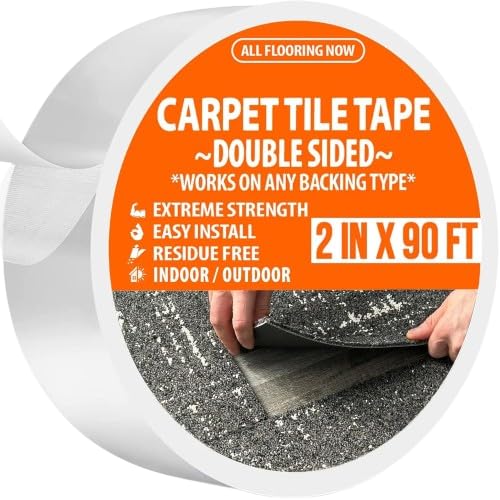
All Flooring Now Double Sided Carpet Tile Tape 2in x 90ft
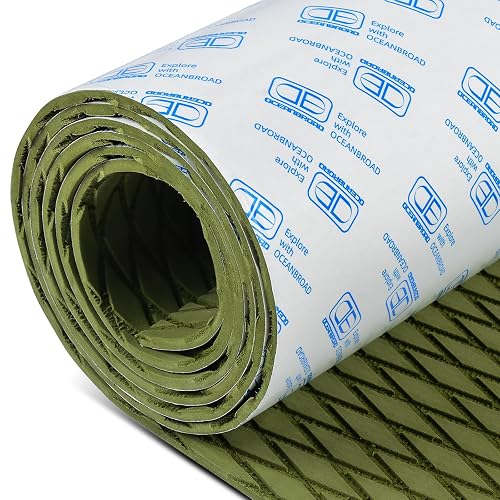
OCEANBROAD Camouflage Boat Flooring Traction Pad EVA Foam
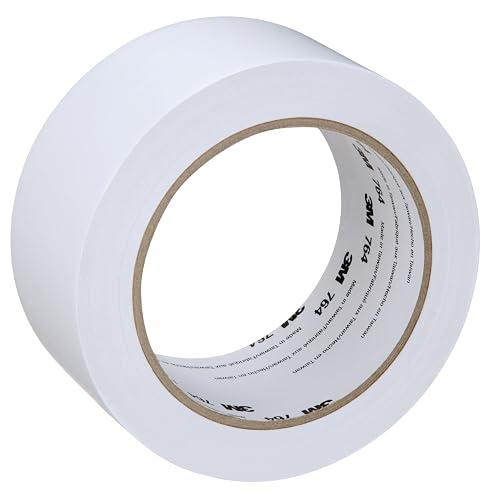
3M General Purpose Vinyl Tape 764 White 2in x 36 yd
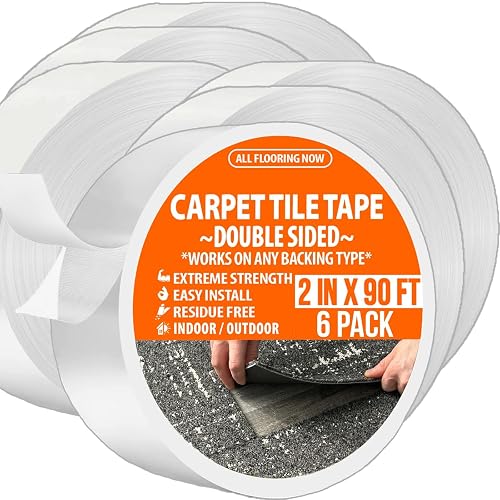
All Flooring Now Double Sided Carpet Tile Tape 2in x 90ft (6 Pack)
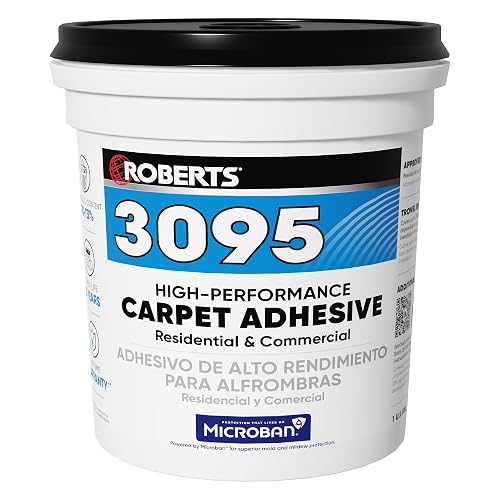
ROBERTS 3095-1 1 Gallon Carpet Adhesive

FORTIVO Black 5200 Marine Sealant Fast Cure 10oz
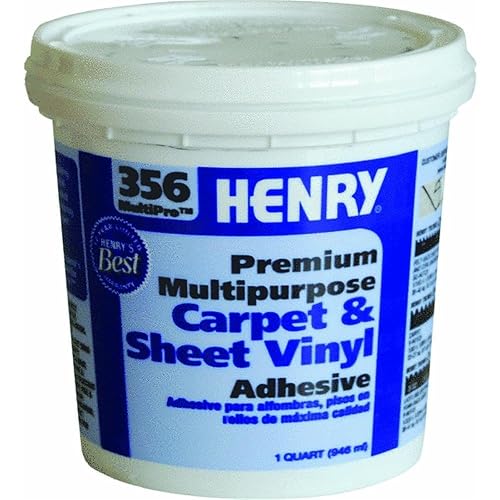
Henry 356 MultiPro Carpet and Sheet Vinyl Adhesive 1 qt
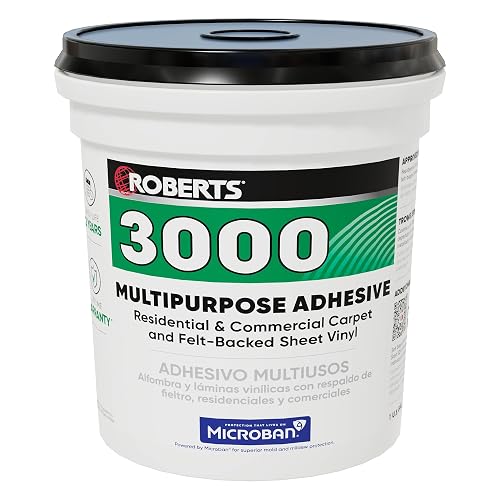
ROBERTS 3000 Series Carpet Adhesive 4 gal Pail

Henry W.W. Co. 663 Carp Adhesive Beige Gallon
The Picks, Examined More Closely
Boat owners redoing cabin carpet tiles often want a fix that doesn’t involve troweling goo in a tight berth, and this double-sided roll solves that problem cleanly. The 2-inch-wide web mesh lays down along seams and around edges, then grips the carpet backing once pressure is applied. One roll covers roughly 220 square feet, which is generous for most cuddy cabins and small cockpits.
Unlike the OCEANBROAD traction pad covered next, this product bonds carpet-to-surface rather than replacing the carpet with foam. It works on plywood, vinyl, and clean fiberglass, so it’s a versatile second option for spot repairs.
Points In Its Favor
- Residue-light release saves the subfloor when you eventually swap carpet out
- Web mesh construction spreads load across the bond line for less peel
- Cuts easily with a utility knife around hatches and corners
- Suitable for both interior and covered exterior sections
Things To Consider
- Not designed for full submersion or constantly wet zones
- Surface prep is critical, oily or dusty fiberglass will weaken the bond
Made For
Boat owners replacing peel-and-stick carpet tiles in dry cabin areas and walkways.
Skip It When
You’re bonding hardware below the waterline, where the FORTIVO Black 5200 Marine Sealant is the stronger call.
The OCEANBROAD pad skips the wet-set adhesive step entirely. Closed-cell EVA foam (a dense, water-shedding rubber substitute) comes with a peel-and-stick backing, and you lay it down in sheets over an aluminum or fiberglass deck. The camouflage pattern is purely cosmetic, but the surface texture grips bare feet and wet soles much better than raw carpet alone.
For aluminum jon boats and pontoon decks where traditional carpet has bubbled up too many times, this foam replacement solves the problem by removing the carpet from the equation.
Practical Advantages
- Closed-cell foam won’t soak up water like marine carpet can
- Built-in adhesive speeds up weekend installs considerably
- Reduces noise and adds cushion underfoot on hard decks
- Trim-to-fit sheets handle irregular layouts
Honest Caveats
- Cosmetic pattern may not match every boat’s interior scheme
- Adhesive backing can struggle on textured or porous surfaces without primer
- Foam can hold heat under direct sun on dark days
Feature Snapshot
Who It Suits Best
Aluminum boat owners wanting grip and padding without committing to traditional glue-down carpet.
A Better Fit Elsewhere
Traditionalists who prefer the look of marine carpet should reach for the Henry W.W. Co. 663 Carp Adhesive instead.
Strictly speaking, 3M 764 is hazard tape, not carpet adhesive, and that’s actually why it earns a spot here. The vinyl stretches and conforms to uneven surfaces, sealing carpet edges where they meet fiberglass or metal thresholds. The 5-mil thickness gives it more body than standard masking tape, so it holds a tight line along bulkhead edges.
Compare that to the All Flooring Now mesh tape, which is designed to disappear under carpet. This tape stays on top as a visible finishing edge, useful when the carpet starts fraying at doorways.
Strengths Worth Knowing
- Conforms to curves and corners without bunching
- Clean unwind makes long runs along decks easier
- White color blends with most gelcoat tones
- Doubles as deck safety marking tape
Worth Noting
- Not engineered as a primary carpet adhesive, so it works best as a finishing edge
- Long-term clean removal depends heavily on surface prep and UV exposure
Right Fit For
Boat owners who need a clean visual edge on carpet borders and thresholds.
Not Your Match When
You’re doing a full glued carpet install, where the ROBERTS 3095-1 Carpet Adhesive is purpose-built.
For full-cabin refits on larger boats, one roll of carpet tape runs out fast. The 6-pack version of the All Flooring Now tape offers 540 feet of the same web-mesh adhesive, which is enough to tackle a center console floor plus a forepeak without running short. The tape itself behaves identically to the single-roll pick covered earlier, so you’re really paying for the bulk quantity here.
Anyone weighing this against the wet-set ROBERTS 3095-1 should know that tape installs in a fraction of the time. The trade-off is permanent bond strength, which ROBERTS wins handily.
Features That Help
- Six rolls cover roughly 1,320 square feet combined
- Removes cleanly when carpet eventually wears out
- Hand-tearable, no dispenser required
- Sticks to plywood, vinyl, rubber, and sealed concrete
Room For Improvement
- Bulk packaging is overkill for small skiff owners
- Not intended for areas that stay submerged
Best Suited To
Boat owners with multiple decks or large cabin areas to recarpet at once.
Look Elsewhere When
You’re only patching a small entry mat, where a single roll of the everyday pick is enough.
ROBERTS 3095 is a trowel-applied acrylic latex adhesive, which is the same family of glues that contractors spread across subfloors before laying commercial carpet. The high-solids formula grabs aggressively, holds rigid-backed marine carpet in place, and supports double-bond installation (a method where carpet is glued to a pad, then the pad is glued to the deck).
This is a different beast from the pressure-sensitive tape picks earlier in the list. It’s messy, it requires ventilation, and the bond is essentially permanent. For that reason, you may find this overkill on a jon boat that could be re-carpeted in an afternoon.
Where It Excels
- Handles closed-cell and rigid carpet backings that defeat most tapes
- Solvent-free acrylic is easier to work with than older urethane formulas
- Fast grab shortens the time you spend weighing carpet sections down
- One gallon spreads over a meaningful square footage on a typical install
Practical Considerations
- Open working time is short, so layout planning matters
- Tools need cleaning before the adhesive cures
- Not a good match for temporary carpet or rental boats
Feature Card
Who Will Love This
Experienced boat owners and marine carpet installers tackling full-cabin refits with rigid-backed carpet.
Another Choice May Suit
First-timers wanting a reversible install should grab the All Flooring Now tape instead.
5200 sealant is a polyurethane adhesive-sealant hybrid that bonds tenaciously and stays flexible enough to handle hull flex. The FORTIVO version is a fast-cure formulation in a 10-ounce tube, with UV protection built into the black color. It comes with a nozzle and a pair of gloves, which saves a trip to the hardware store.
This is overkill for carpet-only projects, but it earns its place when carpet edges meet through-hulls, deck hardware, or anywhere water tries to creep underneath. Compared to the 3M vinyl tape, 5200 is structural and permanent.
Strong Points
- Performs below the waterline once cured
- Resists UV-driven discoloration in sun-exposed areas
- Bonds to fiberglass, gelcoat, and wood
- Black color hides dirt lines along hardware bases
Points To Keep In Mind
- Permanent bond makes future carpet removal significantly harder
- Cure time is longer than common construction adhesive
Perfect Match For
Boat owners sealing carpet edges around fittings, through-hulls, and deck hardware exposed to spray.
Swap It Out When
You’re bonding a whole cabin floor, where the ROBERTS 3095-1 spreads much faster.
Henry 356 is a paste-style multipurpose adhesive that handles both carpet and sheet vinyl, so it doubles as a one-can solution for heads, galleys, and cabin soles. The quart size keeps the project manageable for a single interior refresh, and the high-strength formula grips felt-backed and jute-backed marine carpet without priming in most cases.
Versus the larger ROBERTS 3000 covered later, the quart is a more sensible size for a small sailboat interior, and you avoid the cost of a four-gallon pail you won’t fully use.
Bright Spots
- Works on carpet and vinyl, so one product handles mixed cabins
- Paste consistency spreads cleanly with a notched trowel
- Quart size fits smaller interior projects without waste
Some Limits To Know
- Not formulated for fully exposed exterior decks
- Quart coverage may run short on larger installations
Key Specs
Who Should Grab It
Boat owners redoing cabin floors with a mix of carpet and vinyl in smaller volumes.
Reach For A Different Pick When
Your project is on an exterior deck, where the Henry 663 outdoor adhesive is purpose-built.
The ROBERTS 3000 is a standard-grade latex adhesive sold in a four-gallon contractor pail, made in the United States and designed for big commercial jobs. It carries a creamy tan color that spreads evenly across a properly notched trowel, and it grips mineral-backed, felt-backed, jute, and polypropylene secondary backings (a cloth scrim laminated to the carpet back for added stability).
This is overkill for a 14-foot boat, but for someone redoing the entire sole of a 30-footer with sheet vinyl and carpet combined, the bulk size actually saves money over multiple smaller cans.
Useful Touches
- Solvent-free formula simplifies shop and cabin ventilation
- Compatible with cork underlayment as well as carpet
- Bulk pail lowers the per-gallon cost on big installs
- Trusted brand on commercial flooring crews
Trade Offs
- Four-gallon pail is heavy and awkward for a one-person job
- Working time is shorter than some premium adhesives
- Not designed for fully exterior or submerged applications
Built With In Mind
Boat owners and refit yards redoing full-length soles in larger vessels with multiple flooring sections.
Where A Sibling Pick Shines
Smaller projects fit a single quart of Henry 356 without leftover waste.
The Henry 663 is the one product in this roundup designed specifically for outdoor marine carpet. It bonds exterior carpet to aluminum boat decks, marine-grade plywood, and even asphalt paving, which makes it a useful crossover for docks, trailers, and patio steps. The gallon container is enough to handle a 16-to-18-foot deck without scraping the bottom of the pail.
Versus the Henry 356 covered earlier, the 663 trades interior versatility for outdoor-rated bond strength, and it shows up in tougher conditions.
A Few Strong Suits
- Engineered specifically for exterior marine applications
- Bonds directly to clean aluminum boat decks
- Holds up under temperature swings common in boat storage
- Works on marine-grade plywood decking too
Worth Bearing In Mind
- Not intended for asphalt roofing or plank decking
- Substrate must be clean, dry, and structurally sound for a proper bond
The Right Fit
Boat owners redoing exterior aluminum or plywood decks where traditional interior adhesives would fail.
Consider Something Else When
You’re working on dry interior cabin carpet, where the Henry 356 handles that job more economically.
What To Weigh Before Choosing Marine Carpet Adhesive
The right adhesive depends almost entirely on where the carpet lives. Interior cabin spaces that stay dry can get away with pressure-sensitive mesh tape or a paste-style latex adhesive, since foot traffic is light and UV is limited. Exterior decks and aluminum flooring are a different story, where sun, splash, and temperature swings demand a marine-rated cement like the Henry 663, or a polyurethane sealant at the edges.
Substrate matters just as much. Fiberglass and sealed plywood are forgiving, and most products bond well to them. Bare aluminum needs proper cleaning and a product formulated for it, while asphalt and treated wood reject many common adhesives. Open-cell vs. closed-cell carpet backing also affects which glue will actually grab.
Application style is the other big fork. Tape installs in minutes and lifts cleanly later, which suits weekend projects and rental boats. Wet-set adhesives cure into a permanent mechanical bond, which suits full refits where you don’t plan to redo the floor for a decade. Pick based on how permanent you actually want the install to be, and the rest falls into place.
Smart Moves And Common Pitfalls
Slip Ups Worth Skipping
Underestimating moisture is the most common mistake. Even covered decks collect condensation, so an interior-rated adhesive in a “mostly dry” spot can fail within a season. Match the adhesive to the actual exposure, not the hoped-for exposure.
Skipping surface prep is the close second. Glue won’t save a dusty, oily, or chalky surface, and even premium products like the FORTIVO 5200 depend on clean substrates to develop full bond strength.
Where The Extra Spend Lands
Stepping up to a marine-rated outdoor cement or a polyurethane sealant costs more per ounce, and that premium goes into UV resistance, water tolerance, and bond longevity. For a weekend patch on a rarely-used cabin floor, basic mesh tape makes more sense. For an exterior deck or hardware seam that you really don’t want to redo, the upgrade pays for itself the first time it survives a season.