
A loose rug corner is one of those small household frustrations that adds up fast. Kids trip, pets slide, hardwood gets scratched, and vacuuming turns into a wrestling match. The right anti-slip rug pad solves all of it: grip, cushion, noise reduction, and floor protection rolled into one thin layer underfoot. The catch is that not every pad pulls its weight, and the wrong material can stain, slip anyway, or fall apart within a season.
This list rounds up eight solid anti-slip rug pads covering common sizes, materials, and use cases. The goal is to help you find the right match for your rug, your floor, and your daily traffic, without wading through marketing fluff.
A Snapshot Of The Selections
TJWODO Non Slip Area Rug Pad 2×3 Feet Extra Thick
Enjoy Holiday 1981 Non Slip Rug Pad 3×10 Runner
COYACOOL Non Slip Rug Pad 8×10 for Hardwood
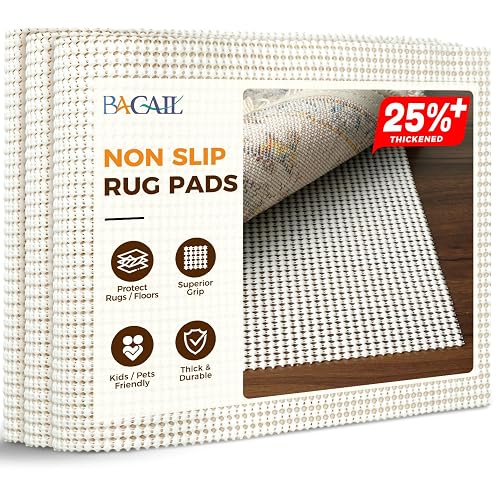
BAGAIL BASICS 2×3 FT Rug Pad Gripper Extra Thick
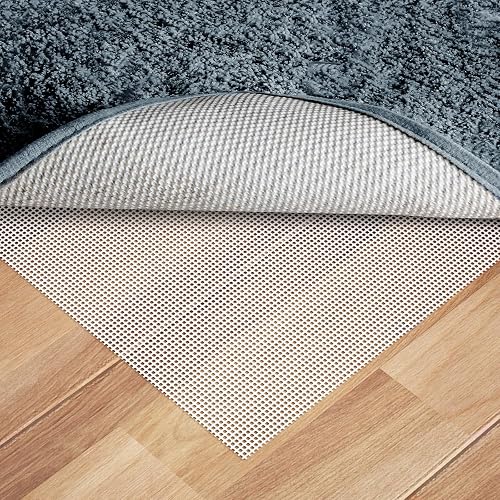
Comfypad Silicone Non Slip Rug Pad 2×3 Ft
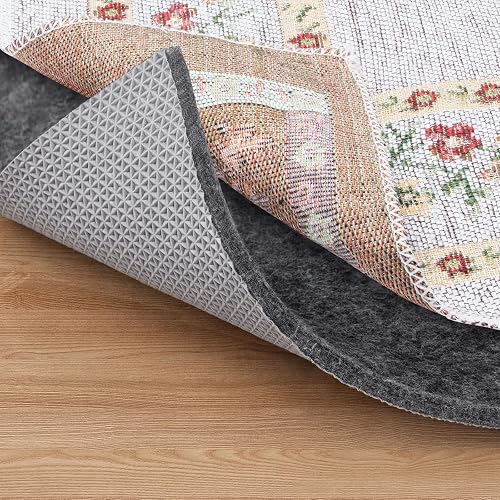
BALEINE Felt Non Slip Rug Pad 1/4 Inch Thick

GORILLA GRIP Premium Dual Sided Rug Gripper 2×3
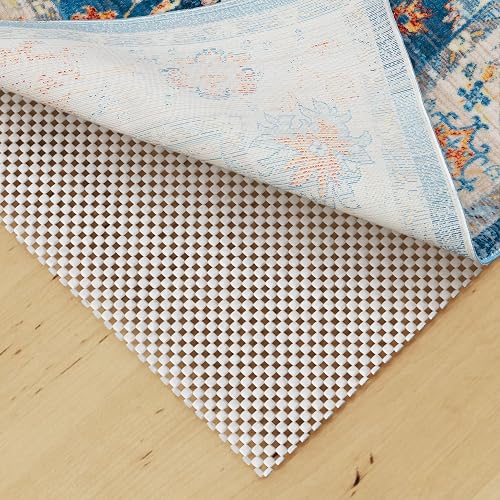
MIXCOOL Non Slip Rug Pad Gripper 2×6 Feet
The Picks, Examined More Closely
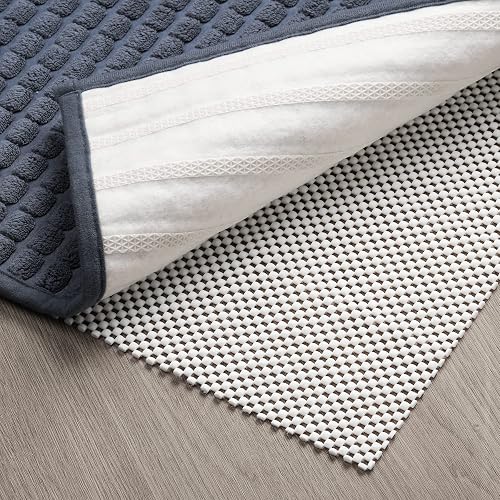
The TJWODO 2×3 pad is the kind of straightforward gripper that does the basics well at a low entry cost. Its extra-thick build adds noticeable cushion under a small accent rug, which matters in spots like beside the bed or in front of a kitchen sink. The rectangular 2×3 format also fits neatly under standard scatter rugs without trimming.
Where this pad tends to land is in apartments, dorms, and guest rooms where the rug is light and the traffic is moderate. It anchors cotton or low-pile rugs to hardwood and tile without the sticky residue that adhesive pads sometimes leave behind. For most everyday setups, the friction level feels appropriate.
Why It Works Well
- Extra-thick construction softens footfall on hard floors
- Open weave allows vacuum airflow, helping reduce dust trapping
- Trim-friendly material for custom fitting around corners
- Lightweight enough to reposition during cleaning
Things To Consider
- At 2×3, the size suits only smaller rugs
- Owners commonly report lighter grip on very smooth glossy tile
Key Specs
Right Fit For
Anyone outfitting a small accent rug in a low-traffic zone who wants a basic, no-fuss gripper without extra cost.
Consider Something Else When
The BALEINE Felt Non Slip Rug Pads is a better fit if you want a noticeably cushioned, dense felt layer under a thin flat-weave rug.
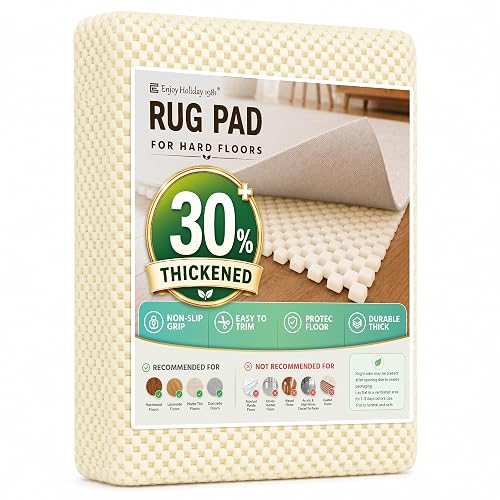
Hallways are where most rug pads get a real workout, and the Enjoy Holiday 1981 3×10 runner is built for exactly that. The long rectangular shape lines up under a hallway runner or a runner laid alongside a bed, eliminating the need to seam smaller pads together. Its rubber-backed construction creates two-sided friction, which helps keep the pad itself from creeping.
This pad makes sense in homes with active foot traffic where rugs tend to shift the most. Compared to the smaller TJWODO pad reviewed above, this one trades portability for sheer coverage. Depending on your hallway length, you may find the 3-foot width pairs nicely with a typical runner rug.
Where It Helps
- 3×10 length handles full hallway runs without joins
- Rubber backing grips both rug and floor
- Adds a layer of cushion that softens heavy foot traffic
- Reduces the bunching you often see at runner ends
Points To Note
- Long format is harder to store and ship
- Rubber backing may leave a slight mark on unfinished or waxed wood over time
Who It Suits Best
Households with long hallways or bedside runners who want a single piece of padding instead of a patchwork of smaller pads.
Look Elsewhere When
The COYACOOL Non Slip Rug Pad 8×10 makes more sense if you need broad coverage under a large living room rug rather than a narrow runner.
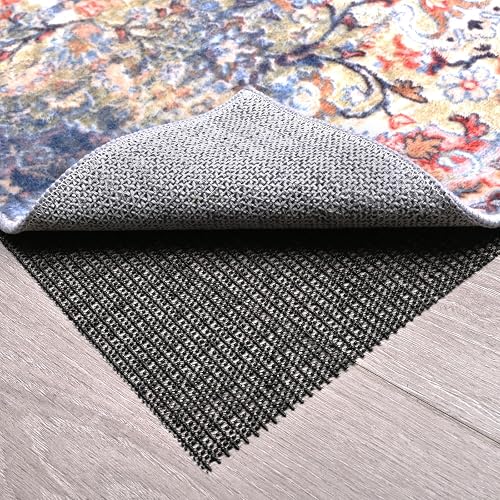
Big area rugs need a pad that covers the whole footprint, and the COYACOOL 8×10 pad is sized for the most common living room layout. The black color blends into shadow, so even if a corner peeks out from under the rug, it stays visually quiet. PVC-based construction is dense enough to dampen footsteps and create a more solid feel underfoot.
Family homes with kids running across the room and dogs skidding around corners benefit from the wide coverage. The pad essentially becomes the rug’s foundation, helping the rug wear more evenly and reducing that annoying ripple effect in the middle. Compared to the BAGAIL BASICS pad reviewed earlier, this one trades compact convenience for room-scale anchoring.
What Works In Its Favor
- Generous 8×10 footprint suits standard living room rugs
- Black color hides between rug and floor edge
- PVC material helps dampen sound in echo-prone rooms
- Trims easily for custom fit around furniture legs
Worth Noting
- Large flat size can be awkward to position solo
- PVC pads may off-gas mildly out of the package, so airing it out beforehand is sensible
Feature Snapshot
Made For
Family rooms and open-plan spaces where a single large rug anchors the seating area and sees plenty of daily traffic.
Reach For A Different Pick When
The MIXCOOL Non Slip Rug Pad Gripper 2×6 is a better match for a galley kitchen or narrow entryway where the 8×10 footprint would be wasted.
The BAGAIL BASICS pad earns its spot through versatility. It’s a 2×3 rectangle with extra-thick padding, but the brand pitches it as more than a rug pad, also positioning it as a drawer liner or shelf mat. That kind of dual-purpose use is genuinely useful in craft rooms, workshops, or linen closets where the same roll of grippy material solves two problems.
For everyday rug duty, the thick profile adds comfort in spots where you tend to stand still, like in front of a kitchen prep area or beside a bathroom sink. Compared to the TJWODO 2×3, the BAGAIL version leans into cushioning and a denser hand-feel. You may find the extra thickness slightly raises low-clearance doors, so measure first if that matters.
Good Reasons To Consider
- Extra-thick padding softens standing zones
- Doubles as drawer or shelf liner for toolboxes and kitchen drawers
- Reinforced grip helps prevent rug corners from curling
- Safe for hardwood and tile surfaces
Honest Caveats
- Extra thickness may interfere with low door clearance over the rug
- Smaller footprint suits accent rugs only
- Initial off-gassing smell may require a brief airing period
Best Suited To
Shops, kitchens, and craft corners where you stand in place and want both a grippy rug and a multi-use liner from the same material.
Swap It Out When
The Comfypad Silicone Non Slip Rug Pad is a smarter pick if a food-grade silicone surface matters more than extra height.
Most rug pads use PVC or rubber, but the Comfypad pad is built from food-grade silicone, a material more commonly seen in kitchen utensils. The pitch here is durability and a cleaner material profile, which resonates with anyone trying to keep questionable chemicals away from where kids play and pets nap. The pad is trimmable with household scissors, so you can size it to odd-shaped rugs.
In practice, the silicone surface creates strong friction on smooth hardwood without the slightly tacky feel of adhesive pads. It also resists absorbing moisture, which is a quiet plus if a pet has an accident. The 2×3 format puts it in the same size category as the TJWODO and BAGAIL pads above, so the deciding factor is usually material preference.
What Earns Its Place
- Food-grade silicone is a less common, cleaner-feeling material
- Cuts cleanly with standard scissors for custom sizing
- Strong grip without adhesive residue on floors
- Moisture resistance helps in pet-prone rooms
Trade Offs
- Higher material cost than basic PVC pads
- Less cushion than felt or extra-thick options
Who Will Love This
Pet owners, parents of small kids, and material-conscious households who prefer silicone over PVC for everyday surfaces.
A Better Fit Elsewhere
The BALEINE Felt Non Slip Rug Pads is the better choice if a plush, cushioned feel underfoot matters more than material type.
Thin flat-weave rugs and low-pile carpets often feel a bit hollow without something underneath. The BALEINE pad addresses that with a denser construction combining felt and rubber. The felt side faces up to cushion the rug, while the rubber side grips the floor. At roughly 1/4 inch thick, it adds real loft without becoming a trip hazard at the edge.
This pad is the right call when the rug itself is the priority and you want to feel every fiber underfoot. Living rooms with thin kilim rugs, dining rooms where chairs slide, and bedrooms where you step out of bed barefoot all benefit from the extra shock absorption. Compared to the BAGAIL pad reviewed earlier, the BALEINE leans more into cushion than versatility.
Well-Handled Touches
- 1/4 inch thickness delivers noticeable cushion under flat-weave rugs
- Rubber backing anchors rugs without bunching or sliding
- Reduces noise from footsteps on hard floors
- Acts as a shock absorber for dropped items
Points To Keep In Mind
- Thicker profile can create a small ledge at rug edges
- Felt may hold odors in damp environments without periodic airing
Quick Facts
Perfect Match For
Living rooms and bedrooms with thin flat-weave or low-pile rugs that need a soft, quiet foundation.
Not Your Match When
The GORILLA GRIP Premium Dual Sided Rug Gripper is the better pick for daily traffic zones where a breathable, easy-trim pad matters more than felt cushion.
GORILLA GRIP is a familiar name in grip products, and this dual-sided pad lives up to the brand’s reputation. The material grips both the floor and the underside of the rug, which is what stops that slow daily creep that drives people to constantly straighten their rugs. The 260 GSM weight category signals a denser, more substantial pad than the lightweight options, and the beige color blends in if a corner peeks out.
Hardwood-heavy homes with steady daily foot traffic will appreciate the breathable construction that helps the pad and floor stay dry underneath. Trimming to custom sizes is straightforward, which makes it flexible for odd-shaped rugs or layered setups. Compared to the Comfypad silicone pad, this one trades material purity for sheer holding power.
The Helpful Details
- Dual-sided design grips both rug and floor
- Breathable construction reduces trapped moisture
- Trims easily with household scissors for custom shapes
- Beige color stays discreet under most rug edges
Small Caveats
- Denser build adds slight weight when lifting the rug for cleaning
- Grip can be very strong, making initial placement a one-shot task
Who Should Grab It
Anyone with a hardwood floor and a high-traffic rug who wants a set-it-and-forget-it pad that holds its position day after day.
Where Another Pick Suits Better
The Enjoy Holiday 1981 Non Slip Rug Pad 3×10 Runner fits better for narrow hallways where a 2×3 pad would leave too much rug exposed.
The MIXCOOL 2×6 pad fills a useful middle ground. It is longer than the standard 2×3 pads but not as long as the 3×10 hallway runner, which makes it ideal for galley kitchens, entryways, and narrow mudroom benches. The extra-thick profile adds the same cushion you would expect from a mid-grade pad, and the non-adhesive design keeps it removable for cleaning.
Homes with medium-length runners, especially in zones where spills and shoes are routine, will find this format hits a sweet spot. The pad helps protect hardwood from dropped utensils, scuffed shoes, and chair legs. For most setups, the size also reduces the need to seam two smaller pads together, which is a common workaround in this category.
Useful Strengths
- 2×6 length fits galley kitchens and entryways cleanly
- Extra-thick build cushions dropped items and foot traffic
- Non-adhesive design peels up easily for floor cleaning
- Trims to accommodate doorway thresholds or angled walls
Worth Bearing In Mind
- Limited size range if you later need to match other rooms
- Edge thickness may need a small rug edge-tuck for flush appearance
Built With In Mind
Anyone laying a runner in a kitchen, hallway, or entryway who needs a mid-length pad without resorting to two smaller pieces.
Where A Sibling Pick Shines
The TJWODO Non Slip Area Rug Pad 2×3 is the better fit if your project only needs a small accent rug rather than a mid-length runner.
What To Weigh Before Picking an Anti-Slip Rug Pad
Match the Pad to the Floor, Not Just the Rug
Hardwood, tile, laminate, and vinyl each react differently to rug pad materials. PVC and rubber grip well on sealed surfaces but can interact poorly with waxed or oiled wood finishes over time. Felt and silicone tend to be gentler on delicate finishes, though they may not grip as aggressively. A quick check of your floor type before choosing the pad material prevents discoloration or sticky residue down the road.
Size the Pad Slightly Smaller Than the Rug
A common instinct is to make the pad match the rug exactly, but a pad that peeks out at the edges becomes a trip hazard and a visible eyesore. Trim the pad roughly one inch shorter on every side so the rug falls over the edge cleanly. This keeps the pad hidden, the corners flat, and the walking surface smooth.
Think About Cushion Versus Grip
Thicker pads feel softer but can compromise stability, especially under smaller rugs. Thinner, denser pads grip harder and last longer but transmit more impact. The right balance depends on the rug itself, since a flat-weave kilim benefits from cushion, while a heavy wool rug barely needs any. Trade-off is everything here, and the wrong call shows up as either a slippery rug or a squishy one.
Account for Cleaning and Replacement
Anti-slip rug pads work hard, so plan for the occasional wash or replacement. Open-weave pads vacuum more easily, while felt pads may need to be lifted and aired out periodically. Storing a spare thin pad for layering under heavy furniture or seasonal rugs is a small habit that extends the life of both the rug and the floor beneath it.
Key Considerations Across These Picks
Pitfalls Shoppers Hit
The most common misstep is choosing a pad by size alone, without checking the material compatibility with the floor finish. A PVC pad on freshly oiled hardwood can react with the finish and leave a mark that takes professional effort to remove. Another trap is buying a pad too small and relying on the rug weight alone to hold it in place, which usually ends in a folded corner. Measure twice, trim once, and always read the floor-compatibility note.
Where The Extra Money Goes
Higher-tier pads in this category tend to spend the money on material quality, density, and dual-layer construction. A premium felt-and-rubber pad offers a noticeably different underfoot feel than a thin PVC mesh, and the difference shows up over years rather than months. The upgrade makes sense in living rooms, dining areas, and any rug you walk on barefoot. For utility rugs in mudrooms or basements, a budget pad often does the job without the extra spend.