
The right rug fabric shapes how a room feels underfoot, how long a piece holds its color, and whether a DIY project survives your first attempt. Picking among woven rag rugs, tufting cloth, and rug-holding tape means balancing softness, structure, grip, and the realities of your space, like kids, pets, rentals, or a workshop bench.
Below is a curated shortlist of seven fabrics for rugs worth a look, from finished recycled-yarn accent rugs to the heavy backing cloth crafters use to build their own.
The Essentials At A Glance
DII Woven Rag Rug 2×3′ Black

DII Woven Rag Rug 2×3′ Cinnamon
Birllaid Double Sided Fabric Tape Heavy Duty
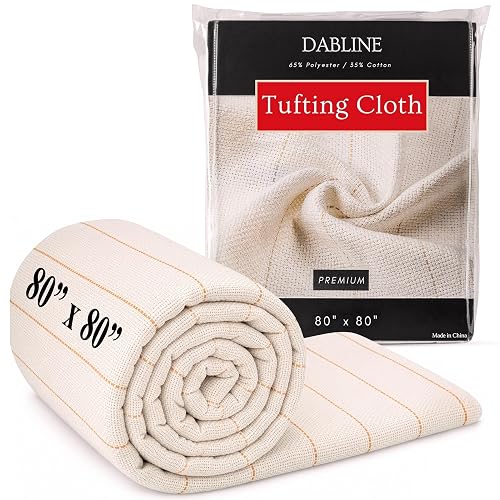
DABLINE 80″ x 80″ Primary Tufting Cloth
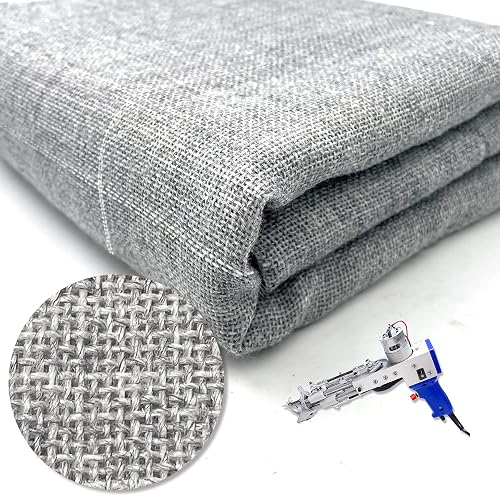
Tuft Dream 85″ x 85″ Tufting Cloth with Grid
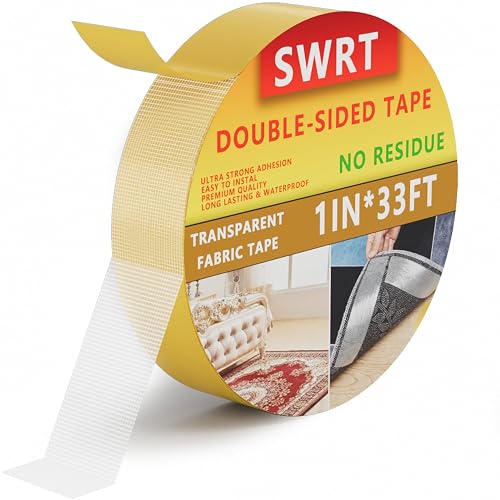
SWRT Double Sided Fabric Tape 1″ x 33FT
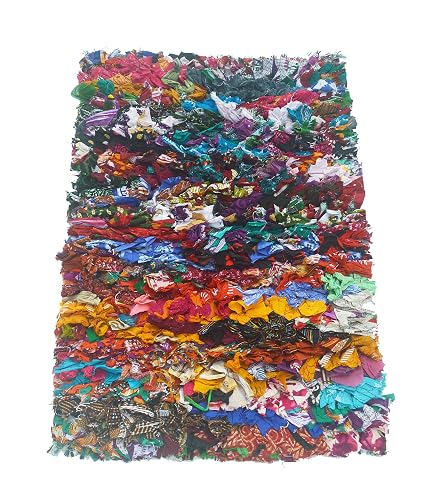
Chardin home Rainbow Shag Rag Rug 20×30″
Why These Options Stand Out
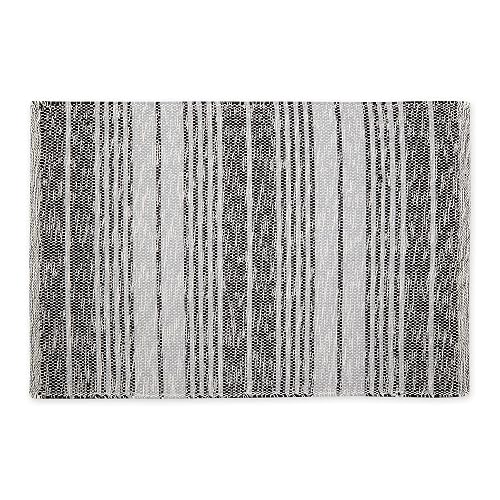
A small black rag rug is one of those quietly useful floor pieces, and this DII option leans into that. Made from recycled yarn in a variegated rustic stripe, it has a handwoven texture that softens the look of hard tile or concrete without demanding attention.
The 2×3′ size makes it a natural fit for a narrow entry, a kitchen sink landing strip, or the floor in front of a utility sink. Compared to the brighter Chardin home rainbow shag later on, this one reads more farmhouse than boho, which matters if your space leans neutral.
Standout Benefits
- Recycled-yarn construction gives the rug a soft, forgiving surface underfoot.
- The variegated black stripes hide everyday dust better than solid light colors.
- Compact 2×3′ footprint slips into tight zones like doorway landings and bath nooks.
- Rustic stripe pattern adds texture without competing with patterned décor.
Things To Consider
- As a handwoven piece, size and color may shift slightly from rug to rug.
- Recycled cotton blends can shed a little during the first few weeks of use.
- The dark palette can fade where strong afternoon sun hits it for hours each day.
Who It Suits Best
Anyone furnishing a small entry, mudroom, or kitchen landing who wants a low-profile black rug that quietly does its job.
Where Another Pick Suits Better
Chardin home’s Rainbow Shag Rug makes more sense if you want a colorful, kid-friendly boho accent instead of a quiet neutral.
If the black DII reads as farmhouse, the cinnamon version leans warm and earthy, almost like a slice of bark on the floor. The same recycled-yarn, handwoven build carries over, with a variegated stripe in rusty red and brown tones that pairs well with wood cabinets, terra-cotta tile, and autumnal palettes.
For households that want a small rug in front of a stove, a sink, or a side door, the cinnamon stripe is forgiving when crumbs or pet hair show up. It’s a sibling pick to the DII black version, so choosing between them mostly comes down to whether you want your floor piece to disappear or to glow.
Positive Points
- Warm cinnamon stripes add coziness to kitchens and entryways with wood or stone floors.
- Recycled-yarn handweaving delivers a soft, textural feel under bare feet.
- 2×3′ size works as a landing strip without crowding a galley or narrow hallway.
Worth Noting
- The same handwoven variation means each rug is a little different in color mix.
- Warm-tone rugs can show light-colored pet hair more than the black DII.
- Best rotated occasionally to even out wear in high-traffic doorway spots.
Made For
Readers outfitting a kitchen, mudroom, or autumn-toned entry who want a warm, handwoven look in a compact footprint.
Consider Something Else When
The DII Woven Rag Rug 2×3′ Black is the calmer, lower-contrast choice for minimalist spaces where the cinnamon reads too bold.
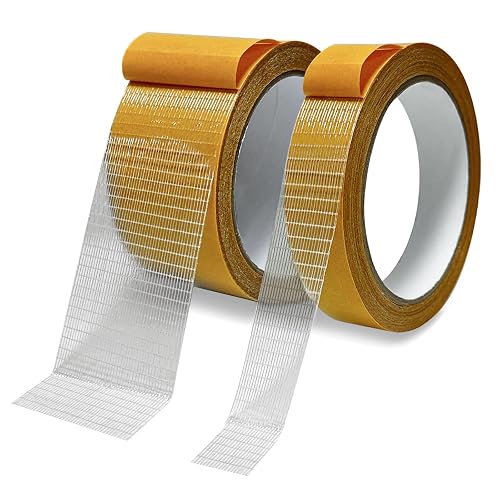
Even the best rug fabric curls at the corner, so a good double-sided fabric tape quietly saves a lot of stubbed toes. The Birllaid tape is built around a PE (polyethylene) backing with a fabric mesh layer, designed to grip carpet, rugs, runners, and even door mats on hardwood, tile, plastic, or concrete.
For households with kids, seniors, or curious pets, that grip is the whole point. Compared to the SWRT tape later on, this roll leans a bit more toward permanent hold, so it’s a better match for surfaces you don’t mind committing to.
Notable Upsides
- Heavy-duty adhesive keeps rugs and runners flat in high-traffic lanes.
- Multi-surface compatibility covers hardwood, tile, plastic, and concrete floors.
- Works on carpet edges, stair treads, doormats, and even sofa cushions.
- PE and fabric mesh construction balances strength with some flex.
Trade Offs
- The aggressive grip can leave residue on delicate or freshly refinished floors.
- Not the cleanest option for renters who need damage-free removal.
Feature Snapshot
Best Suited To
Homeowners wanting a long-term hold for rugs, runners, and mats on hard floors, where a heavy grip is more important than clean removal.
Not Your Match When
SWRT Double Sided Fabric Tape is a better fit for renters who need a tape that peels away without damaging floors.
Tufting cloth is the hidden half of every tufted rug, and a sloppy choice here shows up as saggy piles and torn edges. The DABLINE 80″ x 80″ piece is a primary tufting cloth, meaning it’s the base layer yarn is punched through, made from a poly-cotton blend (a mix of polyester and cotton) with marked grid lines for layout.
At roughly 6.6 by 6.6 feet, it’s generous enough for a medium floor rug or wall piece. If you want a craft surface that handles the pressure of a tufting gun, this stretchy, balanced-weave cloth is a sensible starting point. The Tuft Dream cloth on this list offers a tighter alternative for finer detail work.
Why It Works Well
- Polyester-cotton blend flexes under tufting gun pressure without shredding.
- Marked grid lines help you plan patterns and keep rows straight.
- 80″ x 80″ size suits medium rug projects and wall hangings.
- Works as a monks cloth alternative for punch needle pieces, too.
Room For Improvement
- The weave is looser than the Tuft Dream cloth, so very fine lines can drift.
- Larger yardage can feel floppy on a small frame until you stretch it.
Key Specs
Who Will Love This
First-time and intermediate tufters who want a forgiving, large-format cloth that handles gun pressure on medium-size rug projects.
Look Elsewhere When
Tuft Dream’s 85″ x 85″ tufting cloth is a smarter pick when sharp curves and high yarn density are the priority.
The Tuft Dream cloth is built for crafters who already know the basics and want crisper results. Its 60/60 threads per 10cm weave density is tighter than typical primary cloth, which translates to straighter lines and higher yarn density in the finished rug.
The white printed grid on the gray backing is a quiet luxury for pattern work, helping you keep symmetry without pulling out a measuring tape. Compared to the DABLINE cloth earlier, this one rewards patience with sharper edges and tighter tufts, and the kit even includes a yarn threader, glue scrapers, and a brush for finishing.
What Earns Its Place
- Tighter 60/60 weave holds denser yarn packs for premium-feeling rugs.
- White grid lines simplify centering, mirroring, and curved patterns.
- Bundled yarn threader, glue scrapers, and brush cover basic finishing tasks.
- Gray backing hides glue smudges during backing-application steps.
Points To Note
- Tighter weave means more gun pressure is needed, which can tire beginners.
- The 85″ square is generous, so smaller frames may not tension it well.
Quick Facts
Perfect Match For
Intermediate to advanced tufters designing pattern-heavy rugs where straight lines and high yarn density matter more than ease of pulling the gun.
A Better Fit Elsewhere
DABLINE 80″ x 80″ Primary Tufting Cloth is more forgiving for first projects and broader, looser patterns.
Rugs and tape can feel like a bad pairing when the floor underneath is a deposit you want back. The SWRT tape leans into that worry by pairing a PE foam core with a fabric mesh, then promising clean removal without sticky leftovers on most surfaces.
At 1 inch wide and 33 feet long, a single roll covers a lot of rug edges, including hallway runners or bath mats. It is thinner and quieter than the heavier Birllaid tape earlier, which is a real plus for renters and crafters who regularly rearrange pieces.
Practical Pluses
- Clean-peel design avoids gummy residue on most common floor surfaces.
- Ultra-thin profile keeps rug edges flat without creating a visible ridge.
- 33-foot length runs along multiple rug edges from a single roll.
- Clear color blends with light and dark rug backings.
Small Caveats
- Lighter hold than permanent carpet tape on plush or heavy rugs.
- Best pressed firmly onto a clean, dry surface for the cleanest release later.
Whose Shelf It Belongs On
Renters, dorm rooms, and crafters who rearrange rugs often and want a tape that disappears when the rug does.
Skip It When
Birllaid Double Sided Fabric Tape is the better call for stair treads or busy hallways where a permanent heavy-duty hold is the goal.
The Chardin home rainbow shag is the opposite of a quiet floor piece. Hand-woven from reclaimed cotton fabric, the 20×30″ rug arrives in a tangle of multi-color strips that feel almost playful underfoot, and the chindi-style rag construction (a traditional Indian approach of weaving leftover fabric scraps into rugs) gives it a hand-built look no machine can fake.
It works as a small boho accent in a child’s room, a bath mat, a kitchen corner, or beside a bed. The trade-off is that color and weave can vary from piece to piece, so the rug you receive may not match a listing photo exactly. That’s part of the charm, but worth knowing up front if you want a tightly coordinated room.
Useful Strengths
- Reclaimed fabric build gives the rug a soft, shaggy hand-feel.
- Multicolor pattern hides everyday crumbs and small stains.
- Versatile 20×30″ size fits bedrooms, kitchens, entryways, and baths.
- Hand-woven construction delivers a one-of-a-kind look in every piece.
Honest Caveats
- Color and weave vary, so the rug may differ from the listing photo.
- Loose rag weaves can shed a bit at first and benefit from gentle vacuuming.
Feature Card
Who Should Grab It
Anyone decorating a boho bedroom, kids’ room, or entryway who wants a colorful, recycled-fabric rug with a clearly handmade feel.
Reach For A Different Pick When
The DII Woven Rag Rug 2×3′ Black is a smarter fit for minimalist spaces where a multicolored shag would feel visually loud.
What Matters Most Before Choosing Fabrics For Rugs
Fiber Content And Hand-Feel
Cotton feels soft and warm, recycled yarns add rustic texture, and reclaimed-fabric rag weaves feel chunky and forgiving. Match the fiber to where bare feet land most often, like a bedroom or a bath versus a hallway runner.
Durability And Construction
Tighter weaves and poly-cotton blends handle more weight, more foot traffic, and the pressure of a tufting gun. Looser rag rugs bring charm but shed more at first and need gentler vacuuming.
Size, Backing, And Tape
A rug only stays put if the surface beneath cooperates. A double-sided fabric tape, whether permanent like Birllaid or removable like SWRT, makes the difference between a flat runner and a daily tripping hazard.
Craft Versus Finished Rug
Decide whether you want a finished rug, like the DII or Chardin home options, or the raw tufting cloth to make your own. Tufting cloth adds tools, frames, and time, while finished rugs slot straight onto the floor.
Key Considerations Across These Picks
Mistakes Worth Dodging
The most common slip is choosing a rug by color alone, then discovering the weave is too loose for the room’s traffic. For tufting cloth, picking a low-density weave to save money often backfires when yarn won’t stay anchored.
Where The Extra Money Goes
Higher-tier tufting cloth adds tighter weaves, printed grid lines, and finishing tools that sharpen patterns. Higher-end rug fabrics lean on recycled or reclaimed materials, which cost more to source but reward you with longer-lasting texture and a more thoughtful material story.
Frequently Asked Questions
What fabric is best for handmade rugs?
Cotton and poly-cotton blends are the most approachable choices for tufting and rag rugs. Cotton feels soft and absorbs dye well, while a poly-cotton blend adds the strength needed to survive repeated tufting gun passes.
Can you use regular fabric for a rug?
Thin cotton or polyester fabric tends to stretch, tear, and pill under foot traffic. Purpose-built rug fabrics, like monks cloth, primary tufting cloth, and woven rag rugs, use tighter weaves and stronger yarns designed for floor or craft use.
How do I keep rug corners from curling?
A strip of double-sided fabric tape along the back of each corner keeps rug edges flat. Permanent carpet tape works for high-traffic zones, while removable tape is gentler on rental floors.
Are recycled-fabric rugs durable?
Reclaimed cotton rag rugs can be quite durable when the weave is tight and the strips are substantial. They often outlast thin synthetic mats, especially in low-to-medium traffic areas like bedrooms and reading nooks.
How big should a fabric rug be?
Measure the visible floor space, not the room, and leave a few inches of bare floor showing around the edges. A rug that almost touches the walls usually makes a room feel smaller rather than cozier.
The Takeaway
Fabrics for rugs cover a wide range, from finished recycled-yarn accents to the tufting cloth that becomes your next DIY project. Start with the room, then the fiber, then the holding method, and the right pick from this list will fall into place without much fuss.