

A great floor covering grounds a room the way a strong foundation supports a house. Natural fiber rugs, in particular, work overtime to warm up a space, soften footsteps, and bring an organic texture that synthetic flooring rarely matches. You’re looking for something durable enough to handle real foot traffic, attractive enough to anchor a room, and sized to fit the way you actually live.
The picks below cover handwoven jute classics, washable outdoor options, runners for narrow hallways, and a few unique texture-driven designs. Each one earns its spot for a specific reason, so match the rug to the room and the room to your routine.
The Leading Options At A Glance
Scandilivin Homes Jute Cotton Hand Woven Area Rug 8′ x 10′
HOMEMONDE Handwoven Braided Jute Area Rug 9′ x 12′

CAMILSON Easy Jute Rug 8×10 Indoor Outdoor
JONATHAN Y Pata Jute Fringe Runner Rug 2×8
GarveeHome 5×7 Scalloped Area Rug Brown
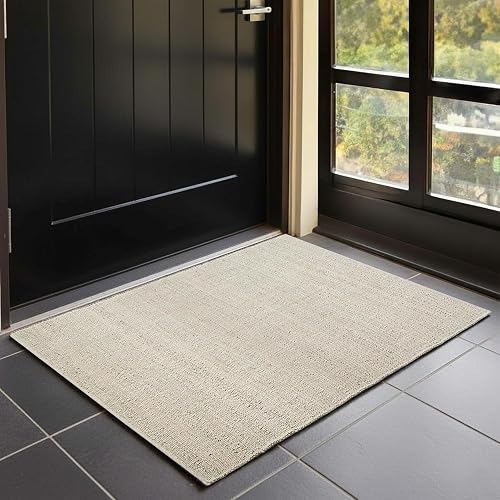
GRUHUM Jute Area Rug 8×10 Cotton Chindi Boho
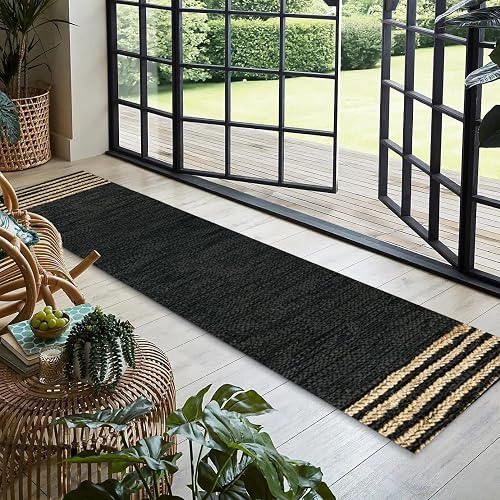
GRUHUM Black Leather Jute Runner 2’6″ x 10′
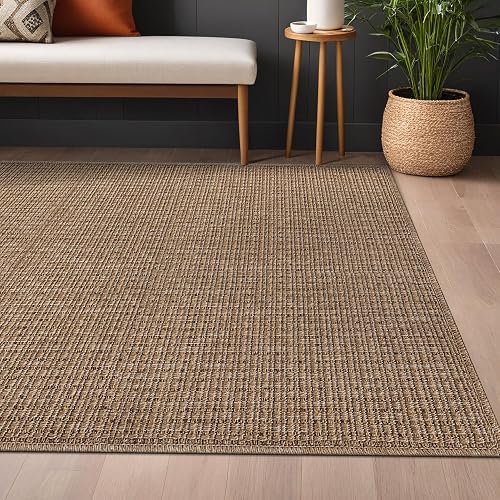
Beverly Rug Easy Jute 8×10 Washable Natural
A Deeper Look At The Lineup
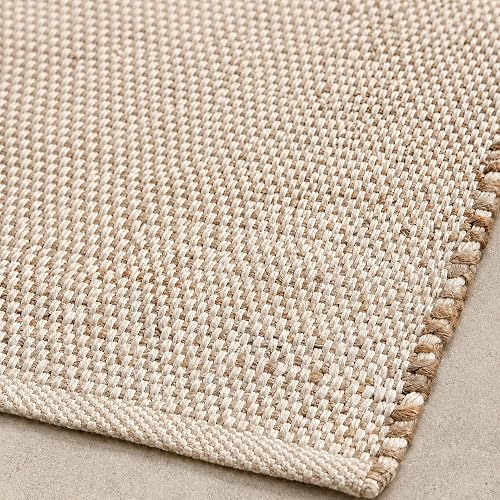
This Scandilivin Homes rug blends jute and cotton in roughly a 60/40 split, which gives the natural, slightly rough surface of jute a touch of softness from the cotton. At 8 by 10 feet, it covers most standard living room seating arrangements, and the natural color plays well with both warm wood floors and cooler tile.
Handwoven construction means each piece varies a little from the next, so don’t expect factory-perfect uniformity. In most homes, that variation reads as character rather than flaw, especially in rooms with a relaxed, lived-in feel. The natural fiber composition is the kind of material that ages into a softer hand over time.
Notable Gains
- The jute-cotton blend softens underfoot compared to pure jute, making barefoot walking in a bedroom or living room more pleasant.
- An 8×10 footprint is the most common large-room size, so it drops neatly under a standard sofa-and-chair setup.
- Handwoven construction adds subtle texture variation that mass-produced rugs rarely replicate.
- Natural color reads as a neutral, pairing with most paint palettes and furniture finishes without clashing.
Things To Consider
- Natural fibers tend to shed a little at first, so frequent light vacuuming during the first few weeks helps.
- The cotton content is more absorbent than pure synthetic rugs, so you’ll want to blot spills quickly rather than let them sit.
Feature Snapshot
Best Suited To
Anyone furnishing a living room or bedroom with a natural, neutral palette and a taste for handcrafted texture.
Skip It When
You need a fully washable surface, in which case the CAMILSON Easy Jute Rug serves households with kids and pets better.
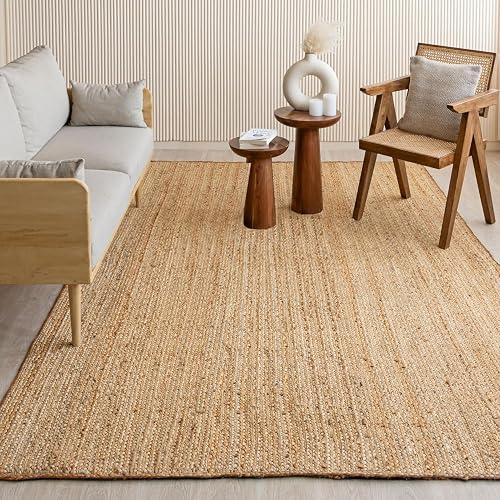
Where the Scandilivin pick is a flatweave, this HOMEMONDE rug is fully braided, which gives it a chunkier, more dimensional surface. At 9 by 12 feet, it’s a serious statement piece for a large living room, great room, or finished basement. The reversible construction doubles the usable life since you can flip it when one side starts showing wear.
The natural fiber is plant-based and biodegradable, which matters for shoppers trying to reduce synthetic materials in the home. In our view, braided jute ages into a softer feel with use, almost like a favorite pair of canvas shoes. The boho-farmhouse styling means it leans casual, so it pairs best with rooms that don’t take themselves too seriously.
Advantages To Know
- Reversible design effectively doubles the lifespan since you can rotate or flip the rug as one side wears.
- The 9×12 size suits oversized seating groups and open-concept layouts where smaller rugs look swallowed up.
- Pure jute fiber is one of the more sustainable plant-based rug materials available, which appeals to eco-minded decorators.
Points To Note
- A braided surface creates more depth and texture, which can feel a little bumpy underfoot compared to flatweave options like the Scandilivin pick.
- Pure jute sheds more than a jute-cotton blend, so plan for extra vacuuming during the first month.
- Dry cleaning or gentle vacuuming is the safer care path, since jute doesn’t love getting fully soaked.
Made For
Homeowners with large, open living areas who want a sustainably made rug that handles years of daily use.
Look Elsewhere When
You need something that handles heavy moisture, since the Beverly Rug Easy Jute is a washable synthetic alternative better suited to damp or high-spill zones.
Here’s where the list takes a turn, since the CAMILSON rug isn’t actually jute fiber at all. It’s a polypropylene construction designed to look like natural jute, which means you get the visual texture without the moisture sensitivity that real jute carries. That makes it a strong fit for patios, kitchens, and any space where spills or weather are part of daily life.
You may find the trade-off is the touch: it doesn’t have the soft, organic feel of true plant fiber. In most kitchens, though, that matters less than being able to rinse the rug off and let it dry. The boho woven look keeps the aesthetic close enough to natural jute that most guests won’t notice the difference.
What Pays Off
- Washable construction means a quick rinse with a garden hose or a soapy sponge brings it back to looking fresh.
- Safe for outdoor use on patios, porches, and even covered decks where natural fiber would deteriorate.
- Polypropylene holds color well, so the natural tones resist fading from sun exposure better than plant-based fibers.
- Works as an indoor kitchen rug where dropped food and cooking splashes are constant.
Honest Caveats
- Polypropylene doesn’t have the biodegradable, plant-based story that real jute offers, which matters for some shoppers.
- The look mimics jute but doesn’t carry the exact same tactile variation, so purists may prefer the HOMEMONDE braid for authenticity.
Perfect Match For
People who want the natural-fiber look in a kitchen, patio, or covered outdoor space where real jute would be at risk.
Another Choice May Suit
Shoppers prioritizing natural materials and sustainability should look at the Scandilivin Homes jute-cotton rug instead, which uses real plant fiber.
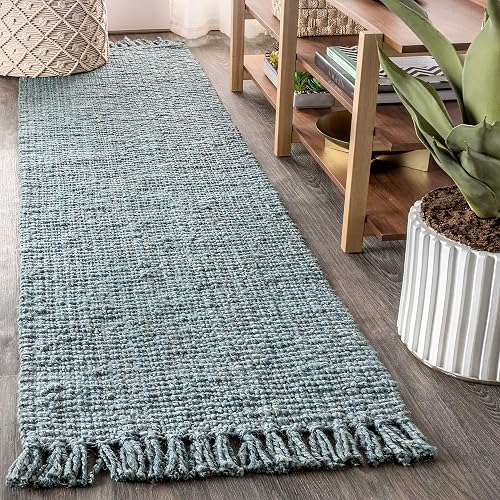
The JONATHAN Y Pata is a runner, not a room-sized rug, so its job is very different from the larger picks above. At 2 by 8 feet, it’s built for hallways, galley kitchens, or as a soft landing strip beside a bed. The light blue-gray color is unusual for natural fiber rugs, which tend to stay in the beige and brown family, so it brings actual color into the equation.
The fringed ends are a deliberate design touch, adding a relaxed, slightly bohemian finish that flat-edged runners can’t match. The chunky cross-weave is also reversible, which extends the usable life. The non-shedding construction is a quiet win if you’ve ever vacuumed a runner that left fuzz on everything.
Useful Touches
- Light blue-gray color softens the typical beige palette of natural fiber, which works in coastal, cottage, or modern rooms.
- Fringed ends add a hand-finished detail that elevates a basic hallway runner into something more styled.
- Reversible construction lets you flip the rug when the front side shows traffic wear, effectively doubling its lifespan.
- Non-shedding weave keeps stray fibers off socks, slippers, and nearby hardwood floors.
Practical Considerations
- A 2-foot width is narrow by runner standards, so it works best in hallways and galley layouts rather than wider spaces.
- Jute fiber still prefers dry cleaning and gentle care, so this isn’t the runner for kitchens with constant water exposure.
Who Will Love This
Decorators finishing a long hallway or wanting a soft, colored runner beside a bed where a neutral jute would feel flat.
Swap It Out When
You need a longer or wider hallway runner, since the GRUHUM Black Leather Jute Runner stretches 10 feet and adds a darker, edgier palette.
The GarveeHome rug takes a different design route from everything else on this list. Instead of focusing on fiber or weave, it leans into shape, with scalloped edges that curve like little half-circles along the border. At 5 by 7 feet, it’s a smaller rug, sized for a bedroom, nursery, or reading nook rather than a primary living space.
The brown tone is warm and grounded, and the washable construction makes it a more practical option than some of the strictly dry-clean natural fiber picks. The scalloped silhouette does a lot of work in a room, adding visual interest even when the rest of the decor stays simple. It’s a quieter statement than a bold pattern, but it still changes the feel of the space.
What Works In Its Favor
- Scalloped edges create visual movement and softness, which works especially well in rooms with a romantic, vintage, or coastal feel.
- Washable construction removes the high-anxiety care routine that comes with most natural fiber rugs.
- 5×7 fits neatly under a full or queen bed with two feet of rug showing on either side.
Small Caveats
- The smaller footprint limits placement to bedrooms, offices, or as an accent rug, so it can’t anchor a full living room setup.
- The decorative shape means it’s a more specific aesthetic match, so it won’t blend as easily into minimalist or industrial rooms.
Right Fit For
Anyone decorating a bedroom, nursery, or small sitting area where a soft, decorative silhouette matters more than raw square footage.
Where Another Pick Shines
For a larger space that needs anchoring, the Scandilivin Homes 8×10 brings the same natural warmth at room-defining scale.
The GRUHUM chindi rug is a rag-weave construction, which means it’s made from strips of cotton fabric rather than spun fiber. That gives the surface a colorful, patchwork look that the more uniform jute weaves can’t match. At 8 by 10 feet, it covers the same ground as the Scandilivin pick but brings a much more expressive visual story to the room.
The boho aesthetic isn’t subtle, so this rug commits to a specific look. In our view, it works best in spaces already leaning casual, eclectic, or globally inspired. The cotton construction feels softer and warmer underfoot than pure jute, which makes it a comfortable option for bedrooms and lounging spaces.
Practical Advantages
- Multicolor chindi rag weave adds visual texture and color, eliminating the need for a busy area rug pattern on top.
- Cotton construction feels softer and warmer than jute, which matters in bedrooms where bare feet are the norm.
- 8×10 sizing suits standard living rooms, dining rooms, or large bedrooms.
Worth Bearing In Mind
- The multicolor look is bold, so pairing it with very busy furniture or wallpapers can create visual overload.
- Cotton rag rugs require a bit more care than synthetic alternatives, and machine washing isn’t usually recommended.
Feature Snapshot
Who Should Grab It
Boho and eclectic decorators who want a rug with built-in color, texture, and personality rather than a quiet neutral.
Not Your Match When
You want a clean, single-color weave, since the JONATHAN Y Pata runner brings a calm light blue-gray instead.
The second GRUHUM entry is a very different animal. It’s a long, narrow runner that combines jute with leather in a handwoven braid, giving the surface a darker, more dramatic look than natural fiber alone. At 2 feet 6 inches wide and 10 feet long, it’s long enough for the kind of hallway where shorter runners look stubby.
The leather accents age well, developing a slight patina over time that adds character. You may find the contrast between the rough jute and smoother leather strips makes this runner feel more like a piece of furniture than a soft floor covering. It works especially well in entryways, where it sets a tone before someone even reaches the living room.
Everyday Perks
- Black leather strips darken the palette, making this a strong fit for modern, industrial, or masculine decor.
- Ten-foot length handles long hallways and entry corridors without leaving bare floor at the ends.
- The handwoven braid is sturdy enough for high-traffic areas where a thinner rug would mat down quickly.
Less Ideal Details
- The dark color shows dust and pet hair more readily than lighter natural fiber options.
- Leather requires occasional conditioning to prevent drying, which adds a small maintenance step most rugs don’t require.
Built With In Mind
People with long entryways or corridors who want a runner that pulls double duty as a styling statement.
Where A Sibling Pick Shines
For a softer, lighter hallway accent, the JONATHAN Y Pata runner offers a calmer blue-gray palette in a similar footprint.
The Beverly Rug rounds out the list with another polypropylene option, similar in spirit to the CAMILSON pick but with a focus on indoor-outdoor versatility and stain resistance. At 8 by 10 feet, it’s a generous room-sized rug, and the solid natural color keeps it visually quiet, so it works as a foundation rather than a focal point.
The non-shedding and stain-resistant qualities are the main selling points for households with kids, pets, or simply a lot of foot traffic. The casual style fits easily into sunrooms, dining rooms, and covered patios. Depending on your daily routine, being able to spot-clean and rinse this rug may matter more than having a 100% natural fiber story.
Strengths Worth Knowing
- Stain-resistant polypropylene handles spills from kids, pets, and dinner parties with a quick blot or rinse.
- Non-shedding construction means no fuzz on socks, no fibers migrating into adjacent rooms.
- Versatile sizing works for living rooms, dining rooms, and outdoor covered spaces alike.
- Solid color acts as a neutral foundation that lets furniture and wall art carry the visual weight.
Factors To Consider
- Synthetic construction lacks the tactile authenticity and sustainability story of real jute fibers.
- Solid weave can look a bit flat compared to the textured braids and rag weaves elsewhere on this list.
Whose Shelf It Belongs On
Busy households with kids or pets who want a large, easy-care rug that doesn’t demand careful handling.
A Better Fit Elsewhere
For shoppers wanting the natural fiber authenticity at the same size, the HOMEMONDE braided jute rug is the stronger match.
What To Weigh Before Choosing A Natural Fiber Rug
Fiber Type And Feel
Real jute and sisal come from plant fibers, which means they breathe well and feel organic underfoot, but they’re also sensitive to moisture. Synthetic options like polypropylene mimic the look while adding washability and stain resistance, which suits kitchens, patios, and high-traffic zones. Your climate, the room’s moisture level, and how much wear the rug will see should drive the fiber decision more than pure aesthetics.
Size And Room Footprint
Measure the seating group, not just the room. A standard sofa-and-chair arrangement usually needs at least an 8×10 rug to anchor the conversation area properly, with the front legs of major pieces sitting on the rug. Runners need a different math: aim for a width that leaves 3 to 5 inches of bare floor on each side of the hallway. Choosing a rug that’s too small is one of the most common mistakes, since it makes the room feel disconnected.
Construction And Durability
Handwoven rugs carry subtle variations between pieces, which reads as character. Machine-made options tend toward uniformity and often cost less. For high-traffic areas, a braided or tight weave holds up better than a loose weave that can snag. Reversible construction is worth seeking out, since flipping the rug extends its usable life and spreads wear more evenly across both sides.
Care And Maintenance Reality
Natural fiber rugs generally need gentle vacuuming, prompt spot treatment, and an occasional shake-out. They don’t love being soaked, so avoid steam cleaning. Synthetic washable rugs flip that equation, handling water and detergent well but losing some of the organic feel. Match the care routine to your actual habits, since the best rug is the one you’ll realistically maintain.
Key Considerations Across These Picks
Mistakes Worth Dodging
Skipping a rug pad is the most common oversight, since a pad prevents slipping, adds cushion, and extends the life of the rug underneath. Choosing color from a tiny product photo rather than seeing a swatch in your room’s light can also disappoint, since natural fibers shift tone dramatically between warm and cool lighting. For runners and area rugs alike, measuring twice saves the regret of a rug that doesn’t fit the space you intended.
When Paying More Pays Off
Larger rugs and reversible constructions tend to cost more upfront but earn it back through longer useful life, especially in rooms where the rug sees daily foot traffic. A handwoven jute rug from a maker with a quality reputation often outlasts a budget option by several years, since tighter weaves and better finishing hold their shape under repeated use. Spending up makes the most sense in primary living spaces and entries, where the rug is doing the heaviest work visually and physically.