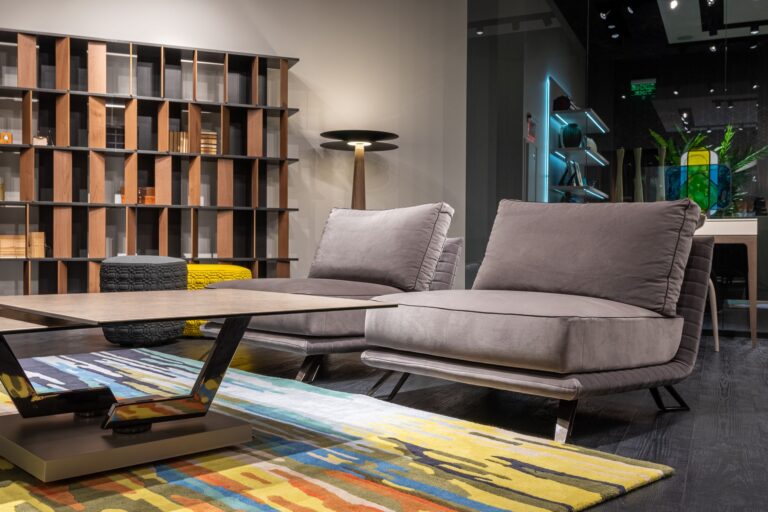


A thin rug on a hard floor does almost nothing for noise. Footsteps echo, voices carry between rooms, and the upstairs neighbor hears every step. A proper rug pad changes that equation by adding mass and density between the rug and the subfloor, which is exactly what absorbs impact sound and softens the room’s acoustics. Whether you live in an apartment with shared walls, work from home and run meetings near a playroom, or simply want a quieter bedroom, the right pad makes a noticeable difference. The seven options below cover comfort, grip, and genuine sound dampening across different budgets and floor types.
An Overview Of The Picks
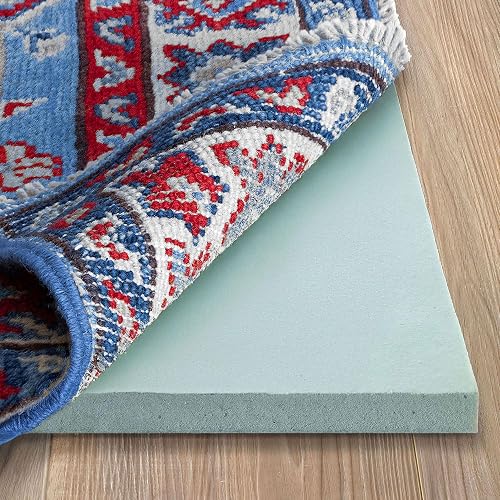
RUGPADUSA Cloud Comfort Memory Foam 8’x10′ Rug Pad
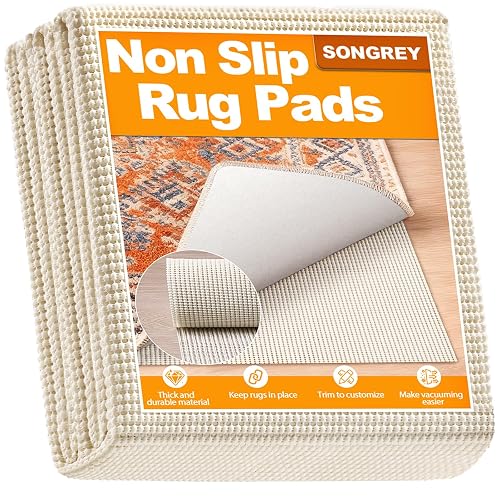
Songrey Non-Slip Rug Pad 5×7 FT

DELLUNA Non-Slip Area Rug Pad 7’x10′ 3/8″ Thick
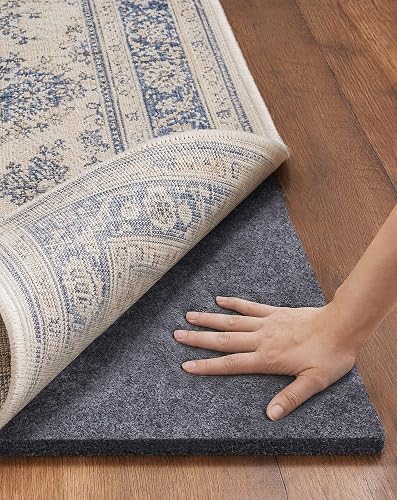
Veken Felt Cushioned Rug Pad 8 x 10 Ft, 1/4 Inch

Extra Large Felt Rug Liner 8×10 Foot
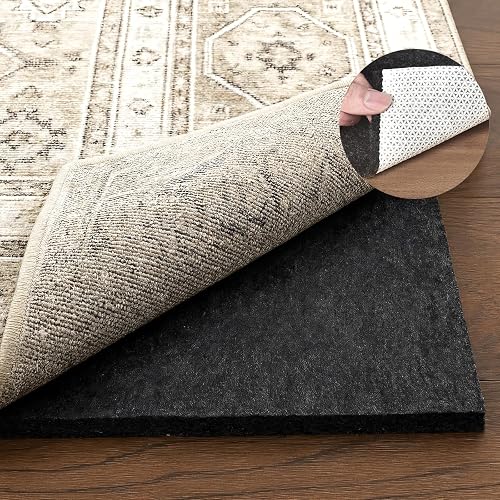
Deep Dream 1/4″ Felt and Natural Rubber Rug Pad 8×10
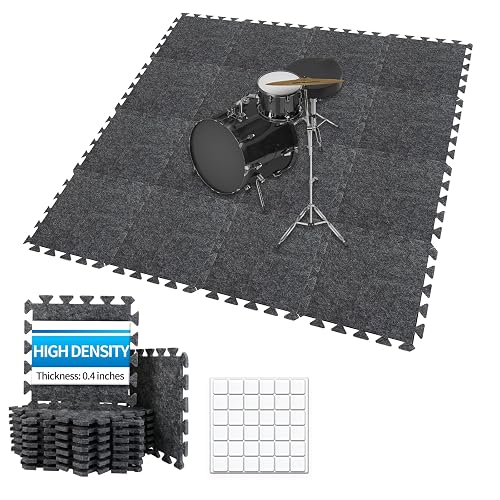
TroyStudio Thick Sound Absorbing Interlocking Floor Mats
The Details Behind The Selections
If your main complaint is a hard, cold floor that turns every step into a dull thud, this is the pad that will most directly address it. The 7/16″ memory foam (a dense, slow-recovering synthetic foam that compresses under weight and springs back slowly) builds serious depth underfoot, which translates to real impact noise reduction in bedrooms and living areas where people sit on the floor or where kids play.
Unlike the rubber-backed options later on this list, the Cloud Comfort is built purely for cushioning. It also includes a water-resistant layer, helpful in homes where a spill might otherwise soak into the pad. You can feel the difference the moment you step onto a rug placed over it.
Where It Helps
- 7/16″ memory foam delivers the deepest cushion among standard rectangular pads
- Water-resistant barrier protects hardwood and laminate from minor spills
- Manufactured in the USA with low-VOC materials (low volatile organic compounds, meaning fewer chemical off-gasses into the room)
- Large 8’x10′ size suits most living room and master bedroom rugs
- Noticeable reduction in footfall noise on hard surfaces
Things To Consider
- Not a non-slip pad, so it works best under heavier rugs or furniture-anchored pieces
- Thick memory foam can make trimming to custom sizes more cumbersome than thinner pads
- Without a grippy backing, light rugs may shift on smooth floors
Who It Suits Best
Anyone prioritizing plush comfort and noise reduction in low-traffic rooms like bedrooms, reading nooks, or formal sitting areas.
Where Another Pick Suits Better
The Songrey Non-Slip Rug Pad suits a household with active kids and pets better, since it offers the dual-sided grip this pad intentionally skips.
The pitch for this pad centers on safety. Its dual-sided grip, meaning a textured surface on both the top and bottom, locks into both the rug backing and the floor beneath, which matters in homes where a curling rug edge is a real trip hazard. For parents and pet owners, that alone can justify the choice over a cushion-only pad.
It still adds a layer of thickness that helps soften footsteps, though the sound-dampening benefit is more modest than what a thicker felt or memory foam pad provides. Where it shines is keeping a rug anchored in a hallway, kitchen, or mudroom where the floor takes a beating all day.
Practical Advantages
- Dual-sided grip minimizes slipping and bunching under daily use
- Safer option for households with small children or older adults
- 5×7 size works well for entryways, kitchens, and standard bedside rugs
- Provides a protective layer between the rug and hard flooring
Worth Noting
- Thinner profile than memory foam or dense felt, so noise reduction is moderate
- 5×7 footprint limits use to smaller rugs, larger rooms need different sizes
- Grip surfaces can occasionally show a slight odor when first unboxed
Built With In Mind
Families who need a stable, slip-resistant pad in high-traffic zones more than maximum sound absorption.
Reach For A Different Pick When
You need stronger soundproofing in a larger space, where the RUGPADUSA Cloud Comfort or Veken Felt Cushioned Rug Pad serve better.
Where the Songrey focuses on grip and the RUGPADUSA focuses on cushion, DELLUNA tries to give you both. The construction layers felt fiber on the inside with rubber on both outer faces, which is the design that most people picture when they imagine a serious rug pad. The 3/8″ thickness puts it right between the dense felt options and the plush memory foam choice.
It is the kind of pad you put under the rug in a busy living room, where sound, comfort, and grip all matter at once. Most households will get along with it just fine.
Why It Works Well
- Double-sided rubber provides grip on both rug and floor surfaces
- 3/8″ thickness strikes a practical balance between cushion and stability
- Safe for hardwood, laminate, vinyl, and tile floors
- Reduces slipping and bunching in everyday use
- 7’x10′ size covers most standard living room area rugs
Points To Note
- Heavier than pure felt options, making installation a two-person job on larger rugs
- Rubber backing can interact with some floor finishes, so spot-testing first is wise
- Not as deeply cushioned as the 7/16″ memory foam option from RUGPADUSA
Right Fit For
Homeowners with active living spaces who want grip, comfort, and moderate noise reduction in a single pad.
Another Choice May Suit
If you need pure felt softness with no rubber at all, the Veken Felt Cushioned Rug Pad is the better match.
Needle-punched felt, made by repeatedly punching fibers with barbed needles to compress them into a dense, springy mat, is the classic underlay material for a reason. It absorbs impact well, lays flat without drama, and adds real mass beneath the rug. Veken uses a dense blend that aims to balance softness with durability.
The important caveat is that this pad is not designed to grip. It assumes the rug on top is heavy enough, or anchored by furniture, to stay put on its own. In return, you get a quiet, stable, low-profile cushion that works well in dining rooms and under anchored bedroom rugs.
Reasons It Performs
- Dense needle-punched felt reduces footfall noise effectively
- 1/4″ thickness keeps furniture stable without creating a tripping edge
- Protects all hard floor types, including hardwood, from rug-backed abrasion
- Lays flat and stays put under properly weighted rugs
- 8×10 size is a common, easy-to-fit living room dimension
Honest Caveats
- Not a non-slip pad, light rugs can still wander on smooth floors
- Thinner than memory foam and dual-layer rubber options
Made For
Households with heavy rugs anchored by furniture who want genuine impact noise reduction without rubber.
Skip It When
You have lightweight rugs in a busy hallway, where the Songrey Non-Slip Rug Pad’s grippy surface is the better match.
The 8×10 felt liner from AEHISDHIE is the most straightforward option on this list: 100% felt, no rubber, no exotic composites, sized to cover a standard large living room rug. It exists to do the basic job well at a friendly cost, which is exactly what many homes need.
You give up the grippy backing and the deep cushioning of memory foam, and you get a pad that absorbs foot traffic impact, softens echo in the room, and shields hardwood from the abrasive back of a rug. For most living rooms on a sensible budget, that is a fair trade.
Real-World Strengths
- 100% felt construction adds genuine mass for impact noise reduction
- Large 8×10 size covers most living room area rugs
- Protects hardwood, tile, laminate, and other hard floors from rug wear
- Softens the feel of a rug underfoot without raising the height too much
- Compatible with rugs anchored by furniture or heavy pieces
Room For Improvement
- No non-slip backing, light or thin rugs may still shift on smooth floors
- Thinner and less dense than the Veken needle-punched felt pad
Who Should Grab It
Anyone outfitting a large room on a budget who wants real noise and floor protection without premium pricing.
A Better Fit Elsewhere
For a denser felt that holds up longer under heavy use, the Veken Felt Cushioned Rug Pad is the step up.
Deep Dream’s 8×10 pad layers 1/4″ felt with a natural rubber backing, which is the same hybrid approach DELLUNA uses, in a slightly slimmer profile. The natural rubber (real tree-derived rubber rather than synthetic) tends to be gentler on sensitive floor finishes, and the felt on top cushions footsteps and dampens the room’s echo.
It is a sensible middle ground for households that want some grip without committing to the deep 3/8″ profile of a thicker rubber pad. In most living rooms and bedrooms with standard area rugs, it disappears under the rug and just does its job quietly.
Everyday Perks
- Natural rubber backing grips both rug and floor
- 1/4″ felt layer adds noticeable cushion underfoot
- Reduces rug bunching and slipping during daily use
- Suitable for hardwood and other hard floor surfaces
- 8×10 size fits common living room rugs
Some Limits To Know
- Thinner than the DELLUNA 3/8″ option, so cushioning is more moderate
- Natural rubber can still interact with certain floor finishes, test a corner first
Best Suited To
Homeowners who want a gentler rubber grip on hardwood floors with reliable sound dampening in between.
Look Elsewhere When
You need the deepest possible cushion, where the RUGPADUSA Cloud Comfort Memory Foam pad delivers more.
The TroyStudio tiles are a different category entirely. These 11″x11″ interlocking panels are made from high-density polyester fiber felt (150kg/m³, which is roughly 9.4 lb/ft³, meaning each cubic foot of material packs 9.4 pounds of fiber), and they are designed for music studios, drum rooms, and home recording setups where vibration control matters as much as sound absorption.
Lay 16 of them together and you cover a roughly 13-square-foot area under a piano, drum kit, or studio monitors. The format is genuinely modular, so you can expand the layout as your space grows. For a regular living room rug, you would want one of the larger rectangular pads above instead.
The Practical Payoff
- High-density 150kg/m³ polyester felt absorbs sound and dampens vibration
- Interlocking edges let you build a custom area under instruments
- Each panel is 0.4″ thick for solid impact absorption
- Useful under pianos, drum kits, studio monitors, and amplifiers
- Modular format allows expansion or reconfiguration over time
Points To Weigh
- Designed for instrument isolation rather than full-room rug padding
- Small panel size means seams show and coverage of a large area takes many packs
- Not a substitute for a traditional rug pad under an area rug
Whose Shelf It Belongs On
Musicians, podcasters, and home studio owners who need targeted acoustic control under a specific instrument or workstation.
Swap It Out When
You want to quiet a whole living room, where the DELLUNA or RUGPADUSA pads address the broader floor area instead.
What To Weigh Before Picking A Soundproof Rug Pad
Soundproof rug pads do their real work through two mechanisms. Mass adds physical weight that blocks airborne sound, while density (how tightly packed the material fibers are) absorbs impact before it can travel into the floor below. Thicker pads with denser fibers tend to perform better, though the trade-off is door clearance and rug height.
Material choice matters as much as thickness. Memory foam delivers the deepest cushion and absorbs heavy footfalls well. Felt, whether needle-punched or pressed, provides reliable impact dampening and lays flat without drama. Rubber-backed hybrids add grip to the equation, which helps in homes where rugs tend to wander. Pure rubber or PVC pads exist too, but they tend to feel thin and offer modest sound reduction compared to felt and foam.
Floor compatibility is the detail that often gets overlooked. Hardwood, laminate, vinyl, and tile each respond differently to rubber backings. Some rubber compounds can leave marks on certain finishes, so testing a small corner first is a habit worth keeping. Felt and memory foam are gentler by default but still benefit from a quick check on freshly refinished surfaces.
The right size depends on the rug, not the room. A pad should be slightly smaller than the rug itself, roughly one inch shy on each side, so the edges of the rug lie flat against the floor. Buying a pad that is the same size or larger than the rug can create a visible edge that curls and trips people up.
Key Considerations Across These Picks
Pitfalls Shoppers Hit
Treating thickness as the only measure of performance is the most common mistake. A thick but low-density pad feels soft without actually reducing much sound. Density, the weight of material per cubic foot, often matters more than depth. Another frequent slip is grabbing a rubber pad without checking the floor finish first, which can lead to discoloration on certain hardwoods or vinyl. Finally, ordering the same size as the rug instead of slightly smaller creates the exact curling edge the pad is supposed to prevent.
Where The Extra Money Goes
Higher-end pads tend to use cleaner materials, denser fiber blends, and more careful lamination between layers. The result is better long-term resilience: the pad resists compression set (the permanent flattening that happens when foam stops springing back) and keeps its sound-dampening ability years longer. You also tend to get tighter dimensional accuracy, which means easier trimming and fewer surprises during installation. For a rug you plan to keep for a decade, that durability often justifies the step up.
Frequently Asked Questions
How thick should a soundproof rug pad be? Aim for at least 1/4″ for noticeable impact noise reduction, with 3/8″ to 7/16″ giving the best results in busy rooms.
Do rug pads really help with soundproofing? Yes, they reduce impact noise and echo by adding mass and absorbing footfall energy, though they will not block loud voices or music on their own.
Can I use a soundproof rug pad on hardwood floors? Most felt and memory foam pads are safe for hardwood, while rubber-backed options should be spot-tested on a hidden corner first.
Do I need a non-slip pad if my rug is heavy? Not necessarily, heavy rugs tend to stay in place on their own, so a cushion-only pad often works fine in those cases.
How do I cut a rug pad to size? Use a sharp utility knife and a straight edge, cutting slightly smaller than the rug so the rug edges lie flat against the floor.
The Takeaway
The right soundproof rug pad depends on what you actually need. Memory foam gives the deepest quiet for bedrooms and lounging spaces, felt delivers reliable all-around dampening for living rooms, rubber-backed hybrids add grip for busy households, and modular acoustic tiles serve music studios specifically. Measure your rug, think about how the room is used, and match the pad to that reality rather than to a spec sheet.