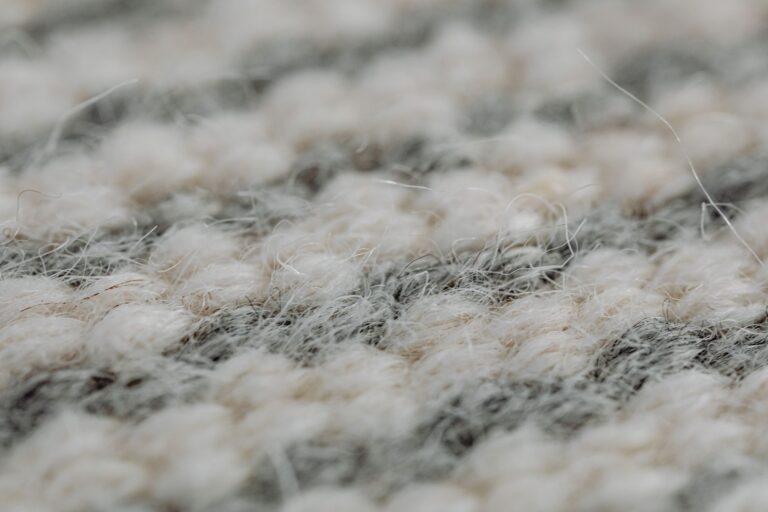

Ounces of yarn packed into a single square yard, minus backing and glue, are what retailers list as a carpet’s face weight. The number tells you how much fiber sits on top of the backing, which is the part your feet, furniture, and vacuum actually meet. Most residential samples fall between 20 and 80 ounces per square yard, and a heavier number usually points to a plusher, more durable carpet, though not always. Two carpets with the same face weight can perform very differently once they meet real traffic, so the spec works best when you read it alongside density and twist.
This guide covers what carpet face weight actually measures, how manufacturers report it, and why a high number alone can mislead first-time shoppers hunting for a floor that holds up to real life.
Face Weight, Defined in Plain English
Picture a square yard of finished carpet, roughly the size of a coffee table. Trim away the backing, scrape off the glue, and weigh what is left. That weight, expressed in ounces, is the carpet face weight printed on the sample label.
Walk into any big-box flooring aisle and the number stares back at you on the back of every sample: 40 oz, 50 oz, 60 oz. The Carpet and Rug Institute, the trade group that sets much of the industry’s testing language, treats this single figure as the headline spec for residential carpet. Manufacturers such as Shaw Floors, Mohawk, and Stainmaster put it on spec sheets so shoppers can compare products at a glance.
Because the backing is stripped out before weighing, the number reflects only the yarn your toes touch. Heavier face weight means more fiber per square yard, which often translates to a thicker feel and longer wear, but the link is not automatic. Pile height, carpet fiber, and how tightly the yarn is packed all change the picture. Total carpet weight, a separate figure that includes the backing, latex, and adhesives, runs much higher and is rarely useful for shopper comparisons. The two numbers solve different problems, and face weight is the one worth memorizing.
How Manufacturers Measure and Report Face Weight
The measurement itself is straightforward. A technician cuts a square yard from the finished roll, separates the pile from the backing, and weighs the trimmed fiber on a calibrated scale. The ASTM D5848 standard documents the procedure, which keeps results consistent across labs and brands.
What the Number Leaves Out
Because the backing and adhesive are removed before the scale reads, the resulting figure captures only yarn. That choice is deliberate, since backing weight varies by construction method and adds noise without telling you anything about how the carpet will feel or wear. The result is a clean per-yard fiber number printed on the spec sheet, the sample back, and the manufacturer’s product page.
Why Two Carpets Can Match on Paper and Differ on the Floor
Two samples with identical 45 oz face weight can feel, mat, and age in completely different ways. One might use a dense, tightly twisted nylon; the other might rely on a tall, loosely packed olefin pile that flattens within a year. The label does not show fiber type, twist level, or how the yarn sits in the backing, so reading face weight in isolation is like judging a book by its page count. The number is honest, but incomplete.
| Spec on the Label | What It Measures | What It Misses |
|---|---|---|
| Face weight | Ounces of yarn per square yard | Fiber type, twist, density, pile height |
| Total weight | Yarn + backing + latex + adhesives | Anything useful about wear or feel |
| Density | Face weight divided by pile height | Twist quality, fiber resilience |
Tip from the floor: ask the retailer for the full manufacturer spec sheet, not just the sample label. The single number on the back is a starting point, not the full story.
Why Face Weight Alone Can Mislead Buyers
A tall pile adds weight without adding durability. A 50 oz shag with loose, lofty tufts can crush underfoot faster than a 35 oz dense loop, because the extra ounces come from height, not from packed-in fiber. The number climbs, but the carpet’s ability to spring back does not.
Manufacturers can also inflate face weight by choosing heavier but weaker fibers. Olefin (polypropylene) weighs more per strand than many nylons, so a sample built from olefin can post an impressive label number while matting within a couple of years. Anso nylon and other performance nylons often weigh less per strand yet outlast olefin in real homes. The label does not flag the swap.
Retailers lean on face weight because it is easy to compare at a glance. Walk into any Home Depot flooring bay and the samples are sorted by color, with face weight called out in bold. That makes shopping simple, but it also trains buyers to chase a single number. A carpet’s tuft bind, twist level, and density matter just as much, and none of them show up in the headline figure.
Warning: a high face weight number is not a quality seal. Without density and twist data, the figure can flatter a carpet that will not hold up.
The Quality Triangle: Face Weight, Density, and Twist
Three numbers on a sample sticker work as a system, and reading them together reveals far more than any one of them alone. Think of it as a three-legged stool: cut any leg and the carpet’s real-world performance wobbles.
Density: How Tightly the Fiber Is Packed
Density is calculated by dividing face weight by pile height, and the result tells you how much fiber sits in a given volume of carpet. A higher density means more yarn packed into less space, which gives the carpet better crush resistance and a longer service life. Two carpets can both post 50 oz face weight, but the one with a shorter pile will usually show a higher density, and it will usually outlast the other.
Twist: How Well the Yarn Holds Its Shape
Twist counts how many times the yarn is turned per inch, often expressed as turns per inch (TPI). Tighter twists resist matting and blooming, the fraying that happens when individual fibers untwist and blur together. A carpet with a 6.0 TPI rating will keep its definition far longer than one with a 3.5 TPI rating at the same face weight. Tuft bind, the strength of the stitch holding yarn into the backing, finishes the picture.
| Spec | What It Tells You | Why It Matters |
|---|---|---|
| Face weight | How much fiber is there | Baseline thickness and feel |
| Density | How tightly it is packed | Crush resistance, lifespan |
| Twist (TPI) | How firmly yarn is twisted | Resistance to matting and blooming |
The quality triangle changes how you shop. Instead of asking which sample has the highest face weight, ask which sample has the best balance of all three. A 40 oz carpet with high density and tight twist will outlast a 60 oz carpet with loose fiber and a floppy twist every time.
Matching Face Weight to Room and Traffic Level
Face weight ranges make more sense once you match them to how a room actually gets used. A guest bedroom and a main staircase are not asking the carpet to do the same job, so they should not start from the same number.
| Room / Traffic Level | Recommended Face Weight | Notes for Your Decision |
|---|---|---|
| Bedroom, guest room (light traffic) | 30 to 40 oz | Comfort and cost matter more than maximum durability |
| Living room, family room, hallway (moderate traffic) | 40 to 50 oz | Pair with strong density for everyday wear |
| Stairs, basement, main entry (heavy traffic) | 50 to 80 oz | Demand high density and tight twist; weak construction fails fast here |
| Homes with pets, kids, or rolling furniture | Treat face weight as a starting point | Prioritize density and twist for crush resistance |
Bedrooms rarely see more than sock feet and the occasional suitcase, so a 30 to 40 oz carpet delivers comfort without the price tag of a heavy-duty build. Living rooms and hallways take daily footsteps, pet traffic, and the shuffle of furniture, which is why 40 to 50 oz paired with solid density is the sweet spot for most homes.
Stairs, basements, and main-entry zones punish weak construction. These are the places where a 50 to 80 oz carpet earns its keep, but only when density and twist keep pace. A heavy carpet with loose, low-twist yarn will mat on a staircase tread within a season. Light commercial-grade fibers, the same families used in hotel corridors, can be worth the upgrade in these zones.
How Fiber Type Changes the Face Weight Conversation
A 40-ounce rating in nylon feels nothing like 40 ounces in polyester, which is why fiber type changes the meaning behind the number. The same 45 oz number in wool, nylon, and olefin points to three very different carpets, and you can feel the gap before you ever see the label.
- Nylon balance. Nylon strands weigh less per fiber than olefin, so a nylon carpet at 40 oz often matches the feel of an olefin carpet at 50 oz while lasting years longer in the same hallway.
- Olefin weight trap. Polypropylene is dense and heavy per strand, which lets olefin samples post big face weight numbers on paper. The strands crush and mat faster than nylon, so the label can flatter a carpet your feet will flatten.
- Wool premium. Wool fibers weigh less per strand than olefin, yet a 50 oz wool carpet costs more and feels denser than most synthetics. Natural crimp gives wool spring back that olefin cannot match at the same face weight.
- Triexta and PET. Triexta (brands like SmartStrand) and recycled PET both post face weight numbers in the same 30 to 60 oz residential range, with triexta offering strong resilience and PET leaning toward value and stain resistance.
Read the fiber line on the spec sheet before you read the face weight line. The same 50 oz on a sample built from olefin and on a sample built from nylon describes two different carpets, and the floor will prove it long before the warranty does.
Retailer Tactics That Inflate the Number
Big face weight numbers sell samples, and the industry’s marketing leans into that habit. Knowing the common moves keeps you from paying for a number that does not translate into a longer-lasting carpet.
- Sticker on the front. Sample swatches at big-box stores often show only face weight in large type, with density and twist buried in fine print. The headline number is the only one most shoppers actually compare.
- Hand-picked samples. A retailer may pull the heaviest sample from a product line for the display rack, so the floor sample is not the average roll you will receive. Ask which run the sample came from.
- Loft over substance. Tall, loose pile inflates ounces per square yard without adding density. The carpet feels thick in the store and flat within a season at home.
- Olefin padding the label. Heavier strands from olefin push the face weight up while lowering resilience. The number looks impressive, and the matting shows up by year two.
- Stain treatment as a feature. Stain protection and pet warranties are sold as upgrades, but they do not change face weight. A 40 oz carpet with a strong warranty is still a 40 oz carpet.
You can spot most of these tricks by asking for the full spec sheet and checking density and twist next to the face weight. A retailer who cannot produce the sheet is hiding something, and the rest of the conversation rarely improves from there.
Reading a Carpet Sample Like a Pro
Samples look alike until you know what to look for. A few in-store checks turn face weight from a marketing number into a useful one.
- Check the full label. Look for face weight, density, twist, pile height, and fiber type before comparing samples side by side. A single number rarely tells the full story.
- Bend the sample backward. The more backing you see through the fibers, the lower the density, even when the face weight number looks high.
- Rub the yarn between your fingers. Firm, springy fiber usually signals tight twist. Soft, floppy fiber often mats faster at the same face weight.
- Ask for the spec sheet. Retailers can pull the manufacturer’s full document, which lists density and twist values the sample back leaves out.
- Score each sample on the triangle. Rate face weight, density, and twist together, then pick the sample with the strongest combined profile for the room you are finishing.
Pro tip: bring a flashlight to the store. Shine it across the pile of two samples and watch how the fibers reflect. Samples with high density show a tight, even shimmer; loose piles look patchy and uneven.
When two samples feel close, density and twist break the tie. A 45 oz carpet with a density of 3,000 and a 6.0 TPI will outlast a 50 oz carpet with a density of 1,800 and a 3.5 TPI in any hallway. The numbers come straight from the spec sheet, and they make the choice concrete instead of subjective.
Bottom Line
Face weight is the headline number on every carpet sample, and a useful one once you know what it leaves out. Treat it as the starting point of a three-part check that also covers density and twist, then match the full profile to the room you are finishing. A bedroom can live happily at 35 oz; a staircase asks for 50 oz and up, paired with the tightest construction the budget allows. Walk into the store with the quality triangle in mind, and the label finally starts to mean what you need it to mean.
FAQ
What is a carpet’s face weight?
Ounces of yarn in a one-square-yard section of pile, with the backing and adhesives excluded, is how the carpet industry defines face weight. Most residential samples fall between 20 and 80 ounces per square yard.
How is carpet face weight measured?
Manufacturers cut a square yard from the finished roll, strip away the backing and adhesive, and weigh the trimmed fiber on a calibrated scale. The ASTM D5848 standard documents the procedure so results stay consistent across labs and brands.
Is higher face weight better carpet?
A higher number usually signals more fiber per square yard and often better durability, but the link is not automatic. A carpet can post a high number through tall pile or heavy olefin fiber without gaining real crush resistance.
What is a good face weight for carpet?
Most residential carpets fall between 20 and 80 ounces per square yard. Bedrooms and guest rooms do well at 30 to 40 oz, living areas at 40 to 50 oz, and stairs or main entries at 50 to 80 oz when paired with strong density and tight twist.
What is the difference between face weight and carpet density?
Face weight is the raw ounces of yarn per square yard, while density is face weight divided by pile height, which shows how tightly the fiber is packed. Density is often a better predictor of long-term durability than face weight by itself.
Does face weight alone determine carpet quality?
No. Face weight is only one of three specs that drive real-world performance, and density and twist matter just as much. A high face weight paired with loose fiber and a floppy twist will mat faster than a lower face weight with tight construction.